Your blood pressure just hit scary high numbers. Maybe your head is pounding, your vision is blurring, or you’re feeling chest pain that wasn’t there an hour ago. This isn’t something to sleep off or call your doctor about in the morning — this is a hypertensive crisis, and it needs emergency care right now.
A hypertensive crisis happens when blood pressure spikes to dangerously high levels, putting your heart, brain, and kidneys at serious risk within minutes. At Complete Care, our emergency-trained physicians are ready around the clock to assess what’s happening in your body, stabilize your blood pressure safely, and make sure nothing more serious is going on. You get the full resources of an emergency room — advanced diagnostics, IV medications, continuous monitoring — without the long waits that come with a traditional hospital ER.
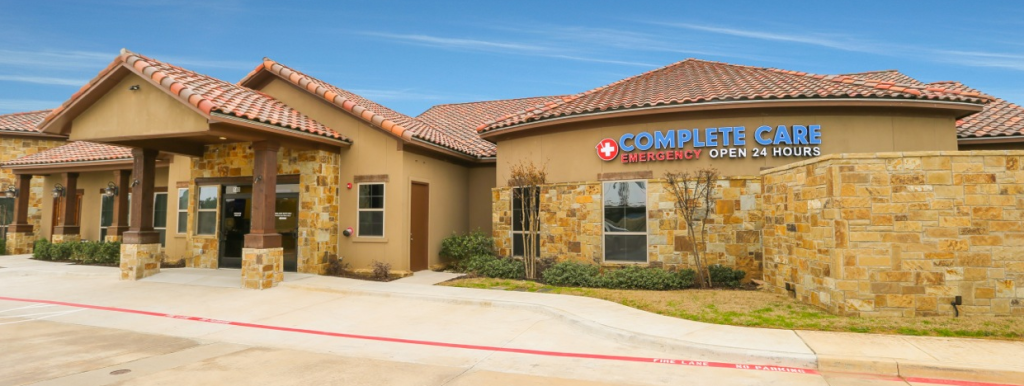
If you or someone you love is showing signs of a hypertensive crisis, don’t wait it out. Head straight to one of our freestanding ER locations in Texas or in Colorado Springs, where you’ll be seen fast by a team that treats true emergencies every day. When your blood pressure is that high, every minute counts — and we’re here for exactly these moments.
For life-threatening situations, please call 911.
Table of Contents
- What constitutes a hypertensive crisis?
- What causes a hypertensive crisis?
- When to go to the ER for a hypertensive crisis
- What is the treatment for a hypertensive crisis?
- Why choose Complete Care
- FAQs
What constitutes a hypertensive crisis?
What is a hypertensive crisis? To answer this, we first have to understand what normal blood pressure is. Blood pressure is measured in two numbers — the top number (systolic) and the bottom number (diastolic). A normal range for blood pressure sits around 120/80 mmHg. When that top number climbs above 180 or the bottom number pushes past 120, you’ve entered dangerous territory. A hypertensive crisis occurs when there is a severe spike in blood pressure that can put your heart, brain, blood vessels, and kidneys under extreme stress within a very short time.
There are two levels of severity.
- A hypertensive urgency is when blood pressure reaches those critical numbers but your body isn’t yet showing signs of organ damage.
- A hypertensive emergency — the more serious of the two — is when that dangerously high pressure is already starting to damage your organs.
If you’ve reached this point, your body can’t wait, and neither should you.
What causes a hypertensive crisis?
A hypertensive crisis doesn’t usually come out of nowhere — there’s almost always something that pushed blood pressure to that extreme level. Some causes are chronic conditions that have been building over time, while others are more sudden triggers that send the body into a dangerous spike.
- Stopping blood pressure medication
- Kidney disease
- Adrenal gland disorders
- Thyroid problems
- Drug interactions or stimulant use
- Preeclampsia (in pregnant individuals)
Regardless of the cause, what matters most in the moment is getting blood pressure under control before it has the chance to do lasting damage. If you know or suspect any of these factors are in play, that’s all the more reason to seek emergency care immediately rather than monitoring the situation at home.
When to go to the ER for a hypertensive crisis
High blood pressure on its own can be easy to dismiss because it often has no obvious symptoms. But when pressure climbs to crisis levels, the body usually starts sending signals that something is seriously wrong. If you or someone around you is experiencing any of the following hypertensive crisis symptoms, it’s time to go to the ER:
- A sudden, severe headache that feels different from anything you’ve had before
- Blurred or double vision, or sudden changes in your eyesight
- Chest pain or tightness that comes on unexpectedly
- Shortness of breath that isn’t explained by activity
- Confusion, difficulty speaking, or trouble understanding others
- Numbness or weakness on one side of the body
- Seizures or loss of consciousness
These are not symptoms to Google or sleep off. They are signs that blood pressure may already be affecting your brain, heart, or other vital organs — and that kind of damage can happen fast. When symptoms like these appear alongside a blood pressure reading above 180/120, the ER is the only appropriate place to be.
Learn more about when to go to the ER for high blood pressure
What is the treatment for a hypertensive crisis?
When you arrive at a Complete Care freestanding ER with dangerously high blood pressure, the goal isn’t just to bring that number down — it’s to bring it down safely, at the right pace, while making sure your organs aren’t being affected in the process. Our emergency-trained physicians move quickly to assess your situation and put a hypertensive crisis treatment plan in place that’s tailored to what your body needs in that moment.
Treatment will look different depending on how severe the crisis is and whether organ damage is involved, but the most common solutions for hypertension emergencies include:
- IV blood pressure medications
- Oral medications
- Continuous monitoring
- Diagnostic imaging and labs
- IV fluids
The right combination of these approaches depends entirely on what’s happening in your body when you come through our doors. What stays consistent is the level of care — experienced physicians, advanced equipment, and a team focused entirely on stabilizing you as quickly and safely as possible.
Why choose Complete Care for hypertensive crisis treatment
From the moment you walk through our doors, you’re treated as the emergency you are. Our team moves quickly to assess your condition, run the necessary diagnostics, and begin immediate treatment for a hypertensive crisis — because when blood pressure is that high, there’s no time to sit in a waiting room.
Here’s what sets Complete Care apart:
We have everything a hospital ER has — without the wait
Complete Care’s freestanding ER locations are fully equipped with the same advanced tools and technology you’d find in a hospital emergency room. That means on-site diagnostics including CT scans, EKGs, blood work, and imaging — all available immediately, all under one roof. No referrals. No waiting days for results. No being sent somewhere else.
We act fast when it matters most
A hypertensive crisis doesn’t give you time to wait, and neither do we. From the moment you arrive, our emergency-trained physicians begin evaluating your blood pressure, assessing for organ involvement, and beginning immediate treatment for hypertensive crisis. We don’t stop at the obvious — we look at the full picture to make sure nothing gets missed.
No crowded waiting rooms
One of the biggest barriers to seeking emergency care is the thought of sitting in a packed waiting room before anyone sees you. Complete Care is designed to get you in front of a provider fast — because when blood pressure is that high, every minute counts.
We’re open around the clock
A hypertensive crisis doesn’t follow a schedule. Complete Care is open 24 hours a day, 7 days a week, 365 days a year — including holidays. Whenever you need us, we’re here.
Transparent, straightforward billing
We accept most major insurance plans, and our team is upfront about costs so you’re never caught off guard. You get hospital-level care without the hospital-level billing surprises.
FAQs
How is a hypertensive crisis diagnosed?
Diagnosis starts with a blood pressure reading, but that’s just the beginning. Our emergency-trained physicians will also run blood work, an EKG, and imaging like a CT scan to check whether the elevated pressure has affected your heart, kidneys, or brain. The full picture helps us determine how severe the crisis is and what treatment you need right away.
How long does it take to treat a hypertensive crisis?
There’s no one-size-fits-all answer — it depends on how high your blood pressure is and whether organ damage is involved. Some patients stabilize within a few hours with the right medication, while others may need extended monitoring to make sure pressure stays at a safe level. Our team stays with you throughout the process and adjusts treatment as your body responds.
Is a hypertensive crisis the same as a stroke?
They are not the same thing, but they are closely connected. A hypertensive crisis can trigger a stroke if dangerously high blood pressure causes a blood vessel in the brain to rupture or become blocked. If stroke symptoms are present alongside a blood pressure spike, that is a simultaneous emergency that requires immediate attention.
Your nearest freestanding Complete Care ER is ready when you need it most
A hypertensive crisis moves fast, and the decision of where to go for care shouldn’t slow you down. Complete Care’s freestanding ER locations are staffed around the clock with emergency-trained physicians who are equipped to evaluate, diagnose, and treat dangerous blood pressure spikes the moment you walk through the door — no appointment, no waiting, no being turned away because it’s “too serious” for urgent care.
If you or someone you love is showing signs of a hypertensive crisis, don’t wait it out at home. Complete Care has locations across Austin, Corpus Christi, Dallas/Fort Worth, East Texas, Lubbock, San Antonio, and Colorado Springs — so there’s a fully equipped emergency room closer than you might think.
Find the Complete Care freestanding ER nearest you and come in. We’ll take it from there.
The information provided is for educational and informational purposes to help you better understand health conditions and emergency care, but it is not intended as medical advice, diagnosis, treatment recommendations, or a substitute for professional medical evaluation. If you are experiencing a medical emergency, call 911 or visit your nearest emergency room immediately. The content on this site does not establish a doctor-patient relationship and should not be relied upon as the basis for any medical decision. Complete Care’s 24/7 freestanding emergency rooms are staffed with emergency physicians ready to provide immediate, in-person evaluation and treatment when you need it most.
Locations

Get Complete Care
Open 24/7. No Appointment Needed.