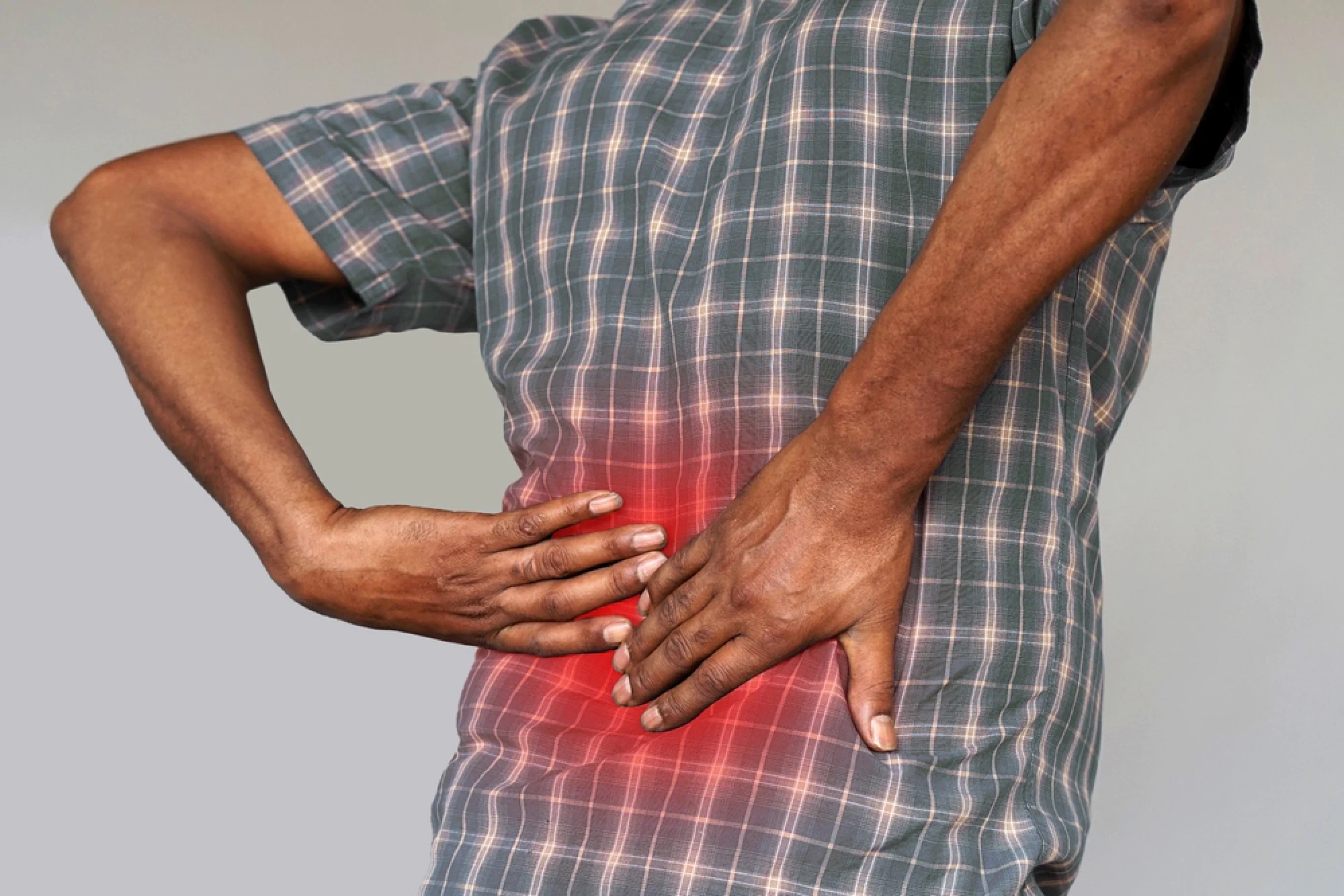
Most people don’t think of going to the ER when they picture kidney stones — until they’re in the middle of passing one. The pain can escalate fast, and without the right imaging and treatment, what started as a dull ache in your back can turn into waves of pain so intense that sitting still feels impossible, and no amount of shifting positions seems to help.
Complete Care specializes in exactly this kind of moment: sudden, intense, and impossible to ignore. Our emergency-trained physicians use on-site diagnostics to quickly assess your kidney stones, get your pain under control, and map out your next steps, all without the wait times of a traditional hospital ER. You shouldn’t have to sit in a crowded waiting room for hours when every minute feels unbearable. At Complete Care, you’re seen quickly, treated with care, and never made to feel like just another number.
Find the Complete Care freestanding ER location nearest to you and get the relief you actually need. Our doors are open 24/7 because kidney stones don’t wait for a convenient time and neither should your treatment.
For life-threatening situations, please call 911.
Table of Contents
- Emergency kidney stone symptoms
- When should you go to the ER for a kidney stone?
- Can you pass a kidney stone at home?
- How are kidney stones diagnosed?
- What would the ER do for a kidney stone?
- Why choose Complete Care
- FAQs
Emergency kidney stone symptoms
Kidney stones don’t always announce themselves gradually — for many people, the symptoms come on suddenly and hit hard. Knowing what to watch for can help you make the right call about when it’s time to seek emergency care.
The most common signs of a kidney stone include:
- Intense, cramping pain in the back, side, or lower abdomen
- Left side pain or right side pain that comes in waves and doesn’t let up
- Pain that radiates down toward the groin or inner thigh
- A burning sensation or sharp pain when urinating
- Urine that appears pink, red, or cloudy
- Nausea and vomiting alongside the pain
- A persistent urge to urinate, even when little comes out
- High fever and chills
It’s important to take these symptoms seriously, especially if more than one is present at the same time. A high fever alongside kidney stone pain can be a sign of a kidney infection, a complication that requires immediate medical attention. If your symptoms are severe, worsening, or accompanied by fever, don’t try to wait it out. Emergency care is the right move.
When should you go to the ER for a kidney stone?
Not every kidney stone is an automatic emergency, but some situations absolutely are. Knowing when to go to the ER for kidney stones can make a real difference in your outcome and how quickly you get relief.
You should head to the ER right away if you experience any of the following:
- Pain so severe that you can’t stand, sit still, or find any comfortable position
- Fever of 101°F or higher alongside your kidney stone symptoms
- Uncontrollable nausea or vomiting that prevents you from keeping fluids down
- Blood in your urine that is heavy or getting worse
- Pain that has spread to your lower abdomen or groin and is intensifying
- No urine output despite feeling the urge to go (this can signal a blockage)
- Symptoms that aren’t improving after several hours of pain management at home
These are signs that your body is under serious stress and needs more than rest and fluids to recover. A blocked urinary tract, an infection, or a stone that simply won’t pass on its own can all escalate quickly without proper medical intervention. When in doubt, getting checked out is always better than pushing through pain that isn’t normal.
Can you pass a kidney stone at home?
The short answer is: sometimes, yes. Smaller kidney stones, typically those under 5mm, can pass on their own with enough time, hydration, and kidney stone pain relief measures like over-the-counter medications. It’s not comfortable, but it is manageable for some people under the right circumstances.
However, passing a kidney stone at home isn’t always as simple as drinking more water and waiting it out. There are a few conditions that make home management a reasonable option:
- The stone is small and your doctor has confirmed it is likely to pass on its own
- Your pain is uncomfortable but controllable with over-the-counter medication
- You are able to stay hydrated and keep fluids down
- You have no fever, chills, or signs of infection
- Your urine output is normal with no sign of a blockage
If those conditions don’t describe your situation, home management may not be safe. Larger stones, stones that are stuck, or stones accompanied by infection can cause serious complications if left untreated. If there’s any uncertainty about whether your stone will pass, or if your symptoms are getting worse instead of better, getting evaluated sooner rather than later is always the smarter and safer choice.
How are kidney stones diagnosed?
When you arrive at Complete Care, our team will start by asking about your symptoms, medical history, and the location and intensity of your pain. From there, diagnosis typically involves a combination of the following:
- CT scan: The most common and reliable imaging tool for kidney stones. A CT scan gives our physicians a clear picture of the size, shape, and exact location of the stone without requiring any preparation on your part.
- Urinalysis: A urine test that checks for blood, signs of infection, and mineral content that can help confirm the presence of a stone.
- Ultrasound: Sometimes used as an alternative to CT imaging, particularly for patients for whom radiation exposure is a consideration.
- Blood tests: Used to evaluate kidney function and check for signs of infection or other complications that may be contributing to your symptoms.
The good news is that all of these diagnostic tools are available on-site at Complete Care, so there’s no waiting for referrals or traveling to a separate imaging facility. Most patients have a clear diagnosis shortly after arriving, which means treatment can start faster and you can start feeling better sooner.
What would the ER do for a kidney stone?
One of the most common questions people ask before deciding whether to seek emergency care is, can the ER do anything for kidney stones? The answer is yes, and quite a bit more than most people expect.
Here’s a breakdown of what emergency treatment for a kidney stone typically looks like:
- Pain management
- IV fluid
- Infection treatment
- Kidney stone medicine to help the stone pass
- Referral or follow-up planning
The goal at Complete Care isn’t just to manage your pain and send you home; it’s to make sure you fully understand what’s happening in your body, what your options are, and what to watch for after you leave. You’ll never walk out with more questions than you came in with.
Why choose Complete Care for kidney stone treatment
When you’re in the middle of a kidney stone, the last thing you need is a stressful, overwhelming hospital experience on top of everything else. Complete Care was built around a simple idea: emergency care should be fast, personal, and as stress-free as possible given the circumstances.
Here’s what sets us apart:
No long waits:
At a traditional hospital ER, wait times can stretch for hours before you even see a physician. At Complete Care, you’re seen quickly by a qualified emergency care provider from the moment you arrive.
On-site diagnostics:
Our facilities are equipped with the imaging and lab tools needed to diagnose and treat kidney stones without sending you somewhere else. Everything happens under one roof.
24/7 availability:
Kidney stones don’t follow a schedule, and neither do we. Complete Care locations are open around the clock, every day of the year including holidays.
Experienced emergency team:
Our physicians and clinical staff are trained to handle high-pain, time-sensitive emergencies. You’re in capable, experienced hands from the moment you walk in.
A calmer environment:
Freestanding ERs offer the full capability of a hospital emergency room without the noise, crowds, and chaos that often come with it. You’ll be seen in a clean, calm setting where the focus is entirely on you.
Transparent billing:
We accept most major insurance plans and are committed to clear, upfront communication about costs so there are no surprises after your visit.
Choosing where to go in an emergency isn’t always something you have time to think through — but if you’re weighing your options, Complete Care offers a level of speed, comfort, and quality that a traditional ER simply can’t match.
FAQs
How to treat kidney stones in kids?
Kidney stone treatment in children follows many of the same principles as adult care — pain management, hydration, and monitoring to determine whether the stone will pass on its own. However, kids can be more sensitive to pain and dehydration, which makes prompt evaluation especially important.
If your child is experiencing severe abdominal or back pain, vomiting, or blood in their urine, bring them in right away rather than waiting to see if symptoms improve.
Can kidney stones come back after treatment?
Unfortunately, yes — kidney stones have a high recurrence rate, and people who have had one are significantly more likely to develop another. The good news is that dietary changes, proper hydration, and in some cases medication can reduce the risk of future stones. Your Complete Care physician can point you toward the right follow-up care and lifestyle adjustments before you leave.
Are kidney stones more common in men or women?
Kidney stones are more commonly diagnosed in men, though the gap has narrowed in recent years as rates among women have risen. Factors like diet, hydration habits, obesity, and certain medical conditions can increase the risk for anyone, regardless of gender. If you have a family history of kidney stones or have had one before, it’s worth talking to a doctor about prevention strategies.
Kidney stones can’t wait — and with Complete Care, you won’t have to.
Kidney stones are unpredictable, painful, and rarely happen at a convenient time. But no matter when they strike, Complete Care is ready to help you get through it — with fast, compassionate emergency care that starts the moment you arrive. You don’t have to tough it out at home, and you don’t have to spend hours in a chaotic hospital waiting room to get the treatment you need.
With freestanding ER locations across Austin, Corpus Christi, Dallas/Fort Worth, East Texas, Lubbock, San Antonio, and Colorado Springs, expert emergency care is never far away. Find the Complete Care nearest to you and come in — we’ll handle the rest.
The information provided is for educational and informational purposes to help you better understand health conditions and emergency care, but it is not intended as medical advice, diagnosis, treatment recommendations, or a substitute for professional medical evaluation. If you are experiencing a medical emergency, call 911 or visit your nearest emergency room immediately. The content on this site does not establish a doctor-patient relationship and should not be relied upon as the basis for any medical decision. Complete Care’s 24/7 freestanding emergency rooms are staffed with emergency physicians ready to provide immediate, in-person evaluation and treatment when you need it most.
Locations

Get Complete Care
Open 24/7. No Appointment Needed.