Left Side Abdominal Pain: Common Causes & When to Go to the ER
Abdominal Pain
•
Jun 16, 2026
Reviewed by:
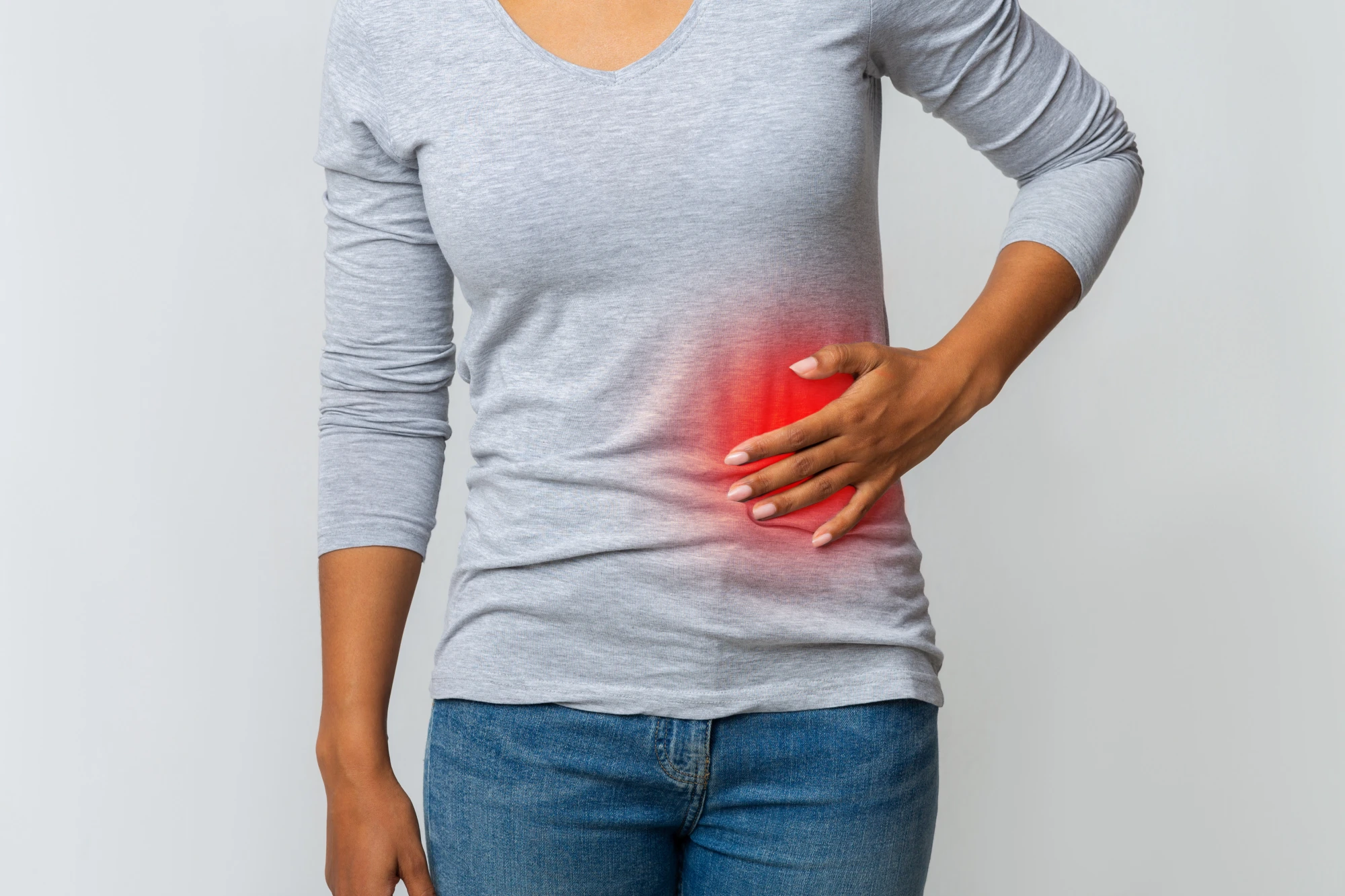
Left side abdominal pain is any discomfort on the left half of your belly, from the bottom of your ribs down to your pelvis. Because your upper and lower left quadrants house different organs, where your pin is located often points toward what’s causing it and how urgently you need care.
In many cases, left side pain turns out to be gas or indigestion that can be easily managed at home. But it can also signal a more serious condition:
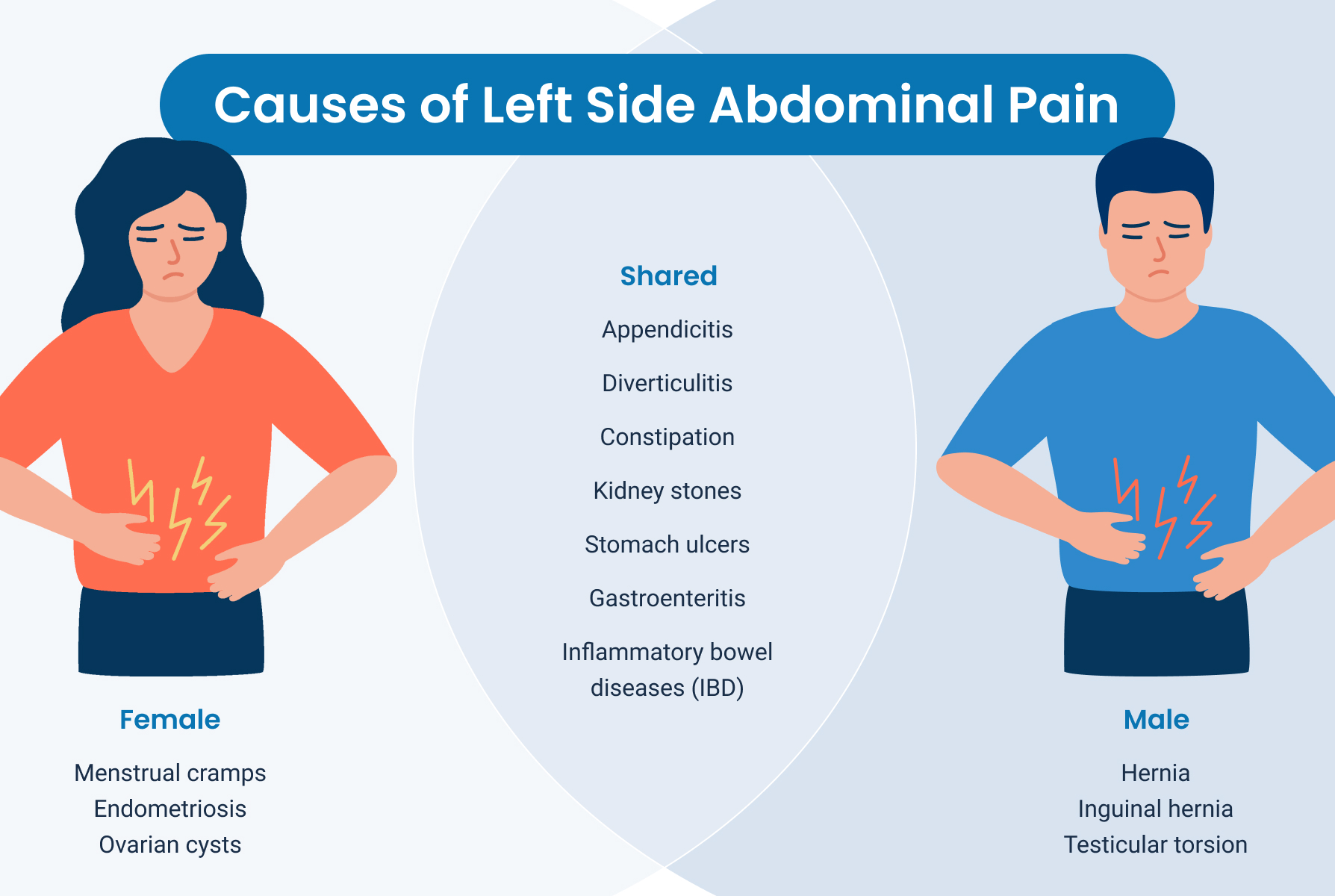
| Type of abdominal pain | Possible sources |
| Upper left abdominal pain | PancreatitisEnlarged spleen (splenomegaly)Stomach ulcersKidney stonesReferred pain (chest conditions)Hiatal hernia |
| Lower left abdominal pain | DiverticulitisIrritable bowel syndrome (IBS)ConstipationInflammatory bowel disease (IBD)GastroenteritisAppendicitisMuscle strain |
| Left side abdominal pain in women | Menstrual cramps (dysmenorrhea)Ovulation pain (Mittelschmerz)Ovarian cystsEndometriosisEctopic pregnancyPelvic inflammatory disease (PID) |
| Left side abdominal pain in men | Inguinal herniaTesticular torsion |
To tell the difference and determine if you need to seek emergency care, pay attention to other symptoms you may be experiencing. If your upper or lower left side pain is coupled with a high fever, nausea, vomiting, or severe stomach pain, seek emergency care at a Complete Care freestanding ER location to rule out any of the serious conditions mentioned above.
For life-threatening situations, please call 911.
Table of contents:
- What is left side abdominal pain?
- Possible causes of left side abdominal pain
- Upper left
- Lower left
- Left side pain in females
- Left side pain in males
- Care and treatment
- How to know when left abdominal pain is serious
What organs are on the left side of the abdomen?
Knowing which organs live on the left side of your body makes it easier to understand what might be causing your pain. The organs located in your left abdomen include:
- Stomach: breaks down food using gastric acids and digestive enzymes
- Spleen: filters your blood and removes old or damaged red blood cells
- Pancreas: produces digestive enzymes and hormones that regulate blood sugar
- Left kidney: filters waste from your blood and maintains the body’s fluid balance
- Large intestine (colon): processes waste and moves it toward elimination
- Small intestine: absorbs nutrients from digested food
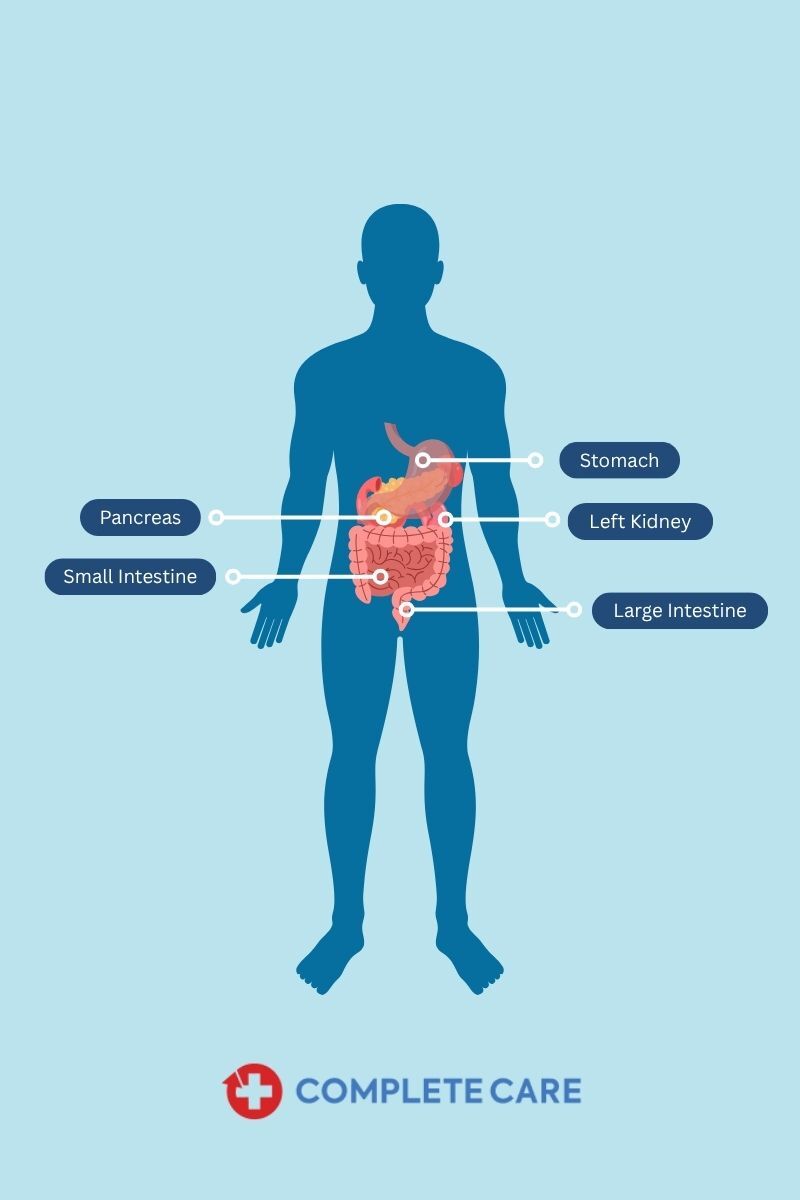
If you’re not dealing with gas or indigestion, pain on the left side typically means something is off in one of these organs or the systems connected to them.
What does left side abdominal pain feel like?
Left side abdominal pain doesn’t feel the same for everyone. Depending on the cause, you might experience:
- Dull, aching pain that lingers in the background
- Sharp or stabbing pain that comes on suddenly
- Cramping or squeezing sensations that come and go
- A burning feeling in the upper left abdomen
- Pressure or bloating that makes your stomach feel full or tight
- Twisting or colicky pain that builds and then briefly subsides
It might stay in one spot or spread to your back, groin, or chest. It might be constant or come and go. Whatever you’re experiencing, pay attention to it — the way your pain feels and how it behaves are often the first clues toward figuring out what’s going on. If it’s severe, getting worse, or has been going on for more than a few hours, it’s time to get it checked out.
Upper left abdominal pain causes
The upper left quadrant houses your stomach, spleen, pancreas, and left kidney. Pain here often points to one of these organs and can include conditions such as:
Pancreatitis
What does pancreatitis feel like, left or right side? Pancreatitis is inflammation of the pancreas and one of the more serious causes of upper left abdominal pain. It can come on suddenly (acute pancreatitis) or develop gradually over time (chronic pancreatitis). The pain tends to be intense and persistent, not the kind that comes and goes in waves, and often gets worse after eating.
Common symptoms of pancreatitis include:
- Severe pain in the upper left abdomen that may radiate to your back
- Pain that worsens after eating or drinking
- Nausea and vomiting
- Fever and chills
- Rapid pulse
- Swollen or tender abdomen
- Jaundice (yellowing of the skin or eyes) in severe cases
Pancreatitis requires medical evaluation. If your pain is severe, persistent, or accompanied by fever and vomiting, go to an emergency room right away.
Enlarged spleen (splenomegaly)
Your spleen sits in the upper left abdomen and is responsible for filtering your blood. When it becomes enlarged due to infection, liver disease, or certain blood disorders, it can cause a dull, nagging pain or a feeling of fullness on the left side, sometimes extending into the left shoulder.
Common symptoms of an enlarged spleen include:
- Dull pain or discomfort in the upper left abdomen
- Feeling full after eating only a small amount
- Left shoulder pain
- Fatigue
- Frequent infections
- Easy bruising or bleeding
An enlarged spleen can sometimes rupture, which is a medical emergency. If you experience sudden, severe pain in the upper left abdomen, especially after an injury, seek emergency care immediately.
Stomach ulcers
Sometimes confused with gastritis, or inflammation of the stomach, stomach ulcers are sores in your stomach lining, often caused by infections or the overuse of nonsteroidal anti-inflammatory drugs (NSAIDs). They can cause upper left side pain and may accompany symptoms such as:
- Indigestion
- Nausea and vomiting
- Loss of appetite
- A gnawing or burning pain in your abdomen
- Feeling of fullness after a meal
- Weight loss
Stomach ulcers can heal on their own, but will often come back if not treated properly. Untreated stomach ulcers can lead to complications like anemia, internal bleeding, or a perforation in the stomach wall. If you’re experiencing any of the symptoms above, do not wait to seek medical attention.
Kidney stones
Kidney stones, or nephrolithiasis, are small deposits of calcium or uric acid that build up in the kidneys. They are incredibly painful as they pass through the urinary tract.
Common symptoms of kidney stones include:
- Left side pain or back pain
- Groin pain
- Frequent urination
- Blood in your urine
- Nausea and vomiting
- A fever of 101˚F (38.3˚C) or higher
If the pain is unbearable, you notice blood in your urine, or you’re experiencing any of the signs of kidney stone pain, head to an emergency room near you.
Referred pain (Can chest conditions cause left side abdominal pain? Yes!)
Not all left side pain originates in your abdomen. Certain chest and heart conditions can cause pain that radiates downward and feels like it is coming from your upper left abdomen, a phenomenon known as referred pain. This is one of the most important things to rule out, because some of these conditions are life-threatening.
Conditions that can cause referred pain in the upper left abdomen include:
- Heart attack: chest pain that spreads to the left arm, jaw, or upper abdomen, often accompanied by shortness of breath, sweating, and nausea
- Angina: reduced blood flow to the heart that causes chest pressure or tightness that can radiate downward
- Pericarditis: inflammation of the lining around the heart, which can cause sharp chest and upper abdominal pain
- Pneumonia or pleurisy: lung infections or inflammation that cause sharp pain when breathing, sometimes felt in the upper abdomen
- Pulmonary embolism: a blood clot in the lungs that can cause sudden chest pain, shortness of breath, and upper abdominal discomfort
If your left side pain is accompanied by shortness of breath, chest tightness, pain radiating to your arm or jaw, or sudden sweating and dizziness, call 911 immediately. Do not drive yourself to the ER.
Hital hernia
A hiatal hernia occurs when part of the stomach pushes upward through the diaphragm and into the chest cavity. While some hiatal hernias cause no symptoms, others can lead to discomfort in the upper abdomen or chest, especially after eating. Hiatal hernias are more common in older adults and people with obesity, chronic coughing, or conditions that increase pressure within the abdomen.
Common symptoms of a hiatal hernia include:
- Heartburn or acid reflux
- Chest pain or discomfort
- Upper abdominal pain or pressure
- Difficulty swallowing
- Frequent burping or regurgitation of food or stomach acid
- Feeling full quickly after eating
- Shortness of breath in severe cases
If you’re experiencing any of these symptoms, make an appointment with your doctor for diagnosis and treatment. Treatment may include lifestyle changes, medications to reduce acid reflux, and, in more severe cases, surgery to repair the hernia and prevent complications.
Lower left abdominal pain causes
The lower left houses your descending colon and sigmoid colon, making digestive conditions the most common cause of pain in this area. Other common causes include:
Diverticulitis
If you or a loved one over the age of 40 is experiencing abdominal pain, fever, and/or nausea, ask your doctor about diverticulitis. Diverticulitis is the inflammation of diverticula, small pouches that can form in the lining of the large intestine, and is one of the most common causes of left side pain.
One thing that sets diverticulitis apart from less serious causes: the pain tends to be progressive. If your pain started mild and has been building over the course of several hours or days rather than coming and going quickly, that is a sign to take it seriously.
Other symptoms of diverticulitis include:
- Bloating and abdominal swelling
- Stomach cramping or tenderness
- Painful bowel movements and/or a change in your normal bowel habits
- Loss of appetite
While diverticulitis is not always a serious condition and can often be treated with rest and antibiotics, surgery may be required for patients with severe infections.
Irritable bowel syndrome (IBS)
IBS is one of the most common causes of recurring lower left abdominal pain. It is a chronic condition that affects how your large intestine functions, causing ongoing digestive discomfort without any visible damage or disease in the bowel itself. Symptoms tend to flare up and then ease off, often triggered by stress, certain foods, or hormonal changes.
Common symptoms of IBS include:
- Cramping or pain in the lower left abdomen that improves after a bowel movement
- Bloating and excess gas
- Diarrhea, constipation, or alternating between both
- Mucus in the stool
- A feeling that your bowels haven’t fully emptied
IBS is not typically a medical emergency, but if your symptoms are new, worsening, or accompanied by blood in your stool, fever, or unintentional weight loss, see a doctor to rule out a more serious condition.
Constipation
Another cause of abdominal pain on the left side of the body is constipation. Constipation is usually caused by a lack of exercise, dehydration,* or a diet that is too low in fiber. This type of stomachache causes significant discomfort and can be painful.
Constipation symptoms include:
- Hard, dry stools
- Straining to have a bowel movement
- Abdominal pain or cramping
- An inability to completely empty the bowels
Most cases of constipation will not require a trip to the emergency room and can be easily mitigated by getting in daily movement and drinking enough water, but in some cases, the sharp lower left abdominal pain may warrant a visit. If the pain does not improve after using over-the-counter products or making lifestyle changes, seek medical attention.
*Continue reading: How to treat dehydration
Inflammatory bowel disease (IBD)
Inflammatory bowel diseases such as ulcerative colitis and Crohn’s can cause pain in the lower left abdomen. These are chronic conditions that cause red, swollen patches in the inner lining of your digestive tract, resulting in severe pain, fatigue, and more serious symptoms like bloody diarrhea and unintentional weight loss.
Although symptoms will vary depending on the type of IBD, some common signs include:
- Abdominal pain on the left side
- Cramps or bloating
- Diarrhea (often bloody)
- Nausea and vomiting
- Loss of appetite
- Fatigue or lethargy
- Unintentional weight loss
- Blood in the stool
- Fever and chills
If you’re experiencing any of the symptoms associated with inflammatory bowel diseases, make an appointment with your doctor for diagnosis and treatment. Treatment often includes dietary changes, medications to reduce inflammation, and in some cases, surgery.
Gastroenteritis
Gastroenteritis, also known as stomach flu, is an infection of the stomach, intestines, or both. It can be caused by bacteria, a virus, or parasites, and is highly contagious.
Common symptoms of gastroenteritis include:
- Abdominal cramps and pain on the left side
- Diarrhea (often bloody)
- Nausea and vomiting
- Loss of appetite
- Muscle aches and pains
- Fatigue
If you’re experiencing any of these symptoms after being exposed to someone with the stomach flu (or if the symptoms have lasted more than 48 hours), call your doctor immediately, as you may need medical treatment to recover. Additionally, drink plenty of fluids to avoid dehydration which can lead to other complications.
Appendicitis
Appendicitis pain is usually associated with the right side of the body, but the initial pain often starts near the belly button and can be misinterpreted as coming from the left. In rare cases, a condition called situs inversus, where organs are mirrored from their normal positions, can cause appendicitis to present entirely on the left side. Either way, an untreated appendicitis infection can cause serious complications if left ignored.
Watch for pain that moves from the navel toward the right side of the abdomen and seek medical treatment immediately if you experience it.
Other symptoms of appendicitis include:
- Dull pain near the navel or upper abdomen that becomes sharp as it moves to the lower right abdomen
- Loss of appetite
- Nausea and/or vomiting soon after abdominal pain begins
- Swelling in the abdomen
- Inability to pass gas
- A fever of 100–102˚F (37.7–38.8˚C)
- Diarrhea or constipation
Muscle strain
Muscle strain is one of the most common and most overlooked causes of left side abdominal pain. The abdominal muscles can be strained from coughing, sneezing, twisting, or physical exertion, and the resulting pain can feel surprisingly similar to internal organ pain. The key difference is that muscle strain pain usually gets worse when you move, stretch, or press on the area.
Common symptoms of an abdominal muscle strain include:
- Pain or tenderness on the left side that worsens with movement
- Soreness when pressing on the affected area
- Stiffness or tightness in the abdomen
- Pain that increases when coughing, sneezing, or laughing
- Swelling or bruising in some cases
Muscle strain is not typically a medical emergency and usually resolves on its own with rest, ice, and over-the-counter pain relievers. If the pain is severe, does not improve after a few days, or if you are unsure whether it is muscular, it is always worth getting checked out.
Left side abdominal pain in women: what causes lower left abdominal pain in females?
While many causes of left side abdominal pain affect everyone equally, women can also experience pain related to the reproductive system. The ovaries, fallopian tubes, and uterus all sit in the lower left and right abdomen, meaning conditions that affect these organs can show up as left side pain including:
Menstrual cramps (dysmenorrhea)
Menstrual cramps can also cause lower left side pain before and during menstruation. This is due to contractions in the uterus that can cause mild to severe pain and discomfort.
Common symptoms of menstrual cramps include:
- Pain or cramping on the lower left side of your abdomen
- Pain in your lower back
- Bloating and swelling
- Nausea, vomiting, or diarrhea
- Fatigue
- Headache
If you’re experiencing recurrent menstrual cramps that are interfering with your life, seek medical attention from your doctor, who may recommend medications such as ibuprofen or hormonal birth control to ease the symptoms.
Ovulation pain (Mittelschmerz)
Ovulation pain, sometimes called mittelschmerz, is a sharp or crampy pain that some women feel on one side of their lower abdomen around the middle of their menstrual cycle. When ovulation occurs on the left ovary, the pain will be felt on the left side.
Common symptoms of ovulation pain include:
- A sudden, sharp pain or dull cramp on one side of the lower abdomen
- Pain that lasts anywhere from a few minutes to a couple of days
- Light spotting around the time of ovulation
- Mild nausea in some cases
Ovulation pain is usually harmless and resolves on its own. Over-the-counter pain relievers like ibuprofen can help manage the discomfort. However, if the pain is severe, lasts more than a few days, or is accompanied by fever or heavy bleeding, seek medical attention as these can be signs of a more serious condition.
Ovarian cysts
Ovarian cysts are fluid-filled sacs in the ovaries which can cause discomfort and pain on the left side of your abdomen. Most ovarian cysts do not require treatment, but if they rupture or become large enough to cause symptoms, it is important to seek medical attention.
Common symptoms of ovarian cysts include:
- Pain on the left side of your abdomen
- Pain during intercourse
- Abdominal bloating and swelling
- Pelvic pain or pressure
- Difficulty urinating
- Changes in menstrual cycle (spotting, heavier periods)
- Nausea and vomiting
- Pain during bowel movements
If you’re experiencing any of the symptoms associated with ovarian cysts, it is important to seek medical attention from your doctor for diagnosis and treatment. Treatment often includes medications to shrink or dissolve the cyst, as well as surgery if necessary.
Endometriosis
Endometriosis is a common cause of left side pain, especially in young women and those who are going through menopause. It occurs when cells from the lining of the uterus grow outside of the uterus and can cause severe pain in the lower left abdomen.
Common symptoms of endometriosis include:
- Painful periods
- Lower back pain on the left side
- Abdominal cramps
- Abnormal bleeding or spotting between periods
- Pain during intercourse
- Diarrhea
- Constipation
- Painful urination
- Infertility
Treatment for endometriosis can include medications such as hormonal birth control, pain relief medication, or surgery to remove the endometrial tissue.
Ectopic pregnancy
An ectopic pregnancy occurs when a fertilized egg implants outside of the uterus, most commonly in a fallopian tube, rather than in the uterine lining. It cannot develop into a healthy pregnancy and requires immediate medical treatment. When the affected tube is on the left side, the pain will be felt in the lower left abdomen.
An ectopic pregnancy is a medical emergency. Common symptoms include:
- Sharp, sudden pain in the lower left abdomen or pelvis
- Pain that may spread to the shoulder or neck
- Vaginal bleeding or spotting
- Nausea and vomiting
- Dizziness or fainting
- Weakness and shoulder pain, which can be a sign of internal bleeding
If you are pregnant or think you might be and are experiencing any of these symptoms, go to an emergency room immediately. A ruptured ectopic pregnancy can cause life-threatening internal bleeding.
Pelvic inflammatory disease (PID)
Pelvic inflammatory disease is an infection of the female reproductive organs, typically the uterus, fallopian tubes, or ovaries, most often caused by sexually transmitted bacteria. When the left side is affected, it causes lower left abdominal pain that can range from a mild ache to severe discomfort.
Common symptoms of PID include:
- Pain in the lower abdomen or pelvis, often on one side
- Unusual or heavy vaginal discharge with an unpleasant odor
- Pain during intercourse
- Painful or burning urination
- Irregular menstrual bleeding
- Fever and chills
- Nausea and vomiting in more severe cases
PID requires antibiotic treatment and should not be left untreated. If it progresses, it can lead to serious complications including chronic pelvic pain, scarring of the fallopian tubes, and infertility. See a doctor as soon as possible if you suspect PID.
Left side abdominal pain in men: what causes lower left abdominal pain in males?
Men can experience left side abdominal pain from all of the same general causes covered above, but there are a couple of conditions that are either unique to men or significantly more common in them that are worth knowing about including:
Inguinal hernia
An inguinal hernia occurs when a weakened muscle allows tissue or part of the intestine to push through the abdominal wall, creating a bulge in the groin or lower abdomen. While it can affect anyone, it is significantly more common in men. Physical activity like coughing, lifting, or straining often makes the discomfort worse.
Common symptoms of an inguinal hernia are similar to a hernia and can include:
- Pain or discomfort in the lower left side of your abdomen
- A bulge or lump in the area
- Difficulty urinating, passing gas, or having a bowel movement
- Painful coughing
- Nausea and vomiting
Small hernias that are not causing symptoms may not require immediate treatment, but a hernia that becomes trapped or loses blood supply is a medical emergency. If you develop sudden severe pain, nausea, and cannot pass gas or have a bowel movement, go to the ER right away.
Testicular torsion
Testicular torsion is a medical emergency that occurs when the spermatic cord, which holds the testes in place, becomes twisted and cuts off blood supply to the scrotum. This can cause severe pain on the left side of your abdomen.
Common symptoms of testicular torsion include:
- Severe pain in the left side of your abdomen
- Swelling in the scrotum
- Nausea and vomiting
- Fever and chills
If you experience any of these symptoms, seek medical attention immediately as testicular torsion requires immediate treatment to prevent permanent damage. Treatment may include surgery to untwist the spermatic cord and reposition the testes.
How to relieve left side abdominal pain
If your left side pain is mild and you have a good idea of what’s causing it, there are some things you can do at home to find relief. These remedies are meant for mild, temporary discomfort. If your pain is severe, getting worse, or not improving after a day or two, skip the home remedies and get checked out.
Rest your digestive system
If your pain seems related to something you ate or a digestive issue, give your gut a break. Avoid heavy, fatty, or spicy foods and stick to small, bland meals until you feel better. The BRAT diet (bananas, rice, applesauce, and toast) is gentle on the stomach and a good place to start when nausea or digestive discomfort is involved.
Stay hydrated
Dehydration can make digestive pain worse and is a common contributor to constipation, one of the most frequent causes of left side pain. Drink plenty of water throughout the day. If nausea is making it hard to keep fluids down, try small sips of water or clear broth rather than drinking large amounts at once.
Apply heat
A heating pad or warm compress applied to the left side of your abdomen can help relax tense muscles and ease cramping. Use it on a low or medium setting for 15 to 20 minutes at a time. This works particularly well for menstrual cramps, muscle strain, and gas-related discomfort.
Try over-the-counter options
Depending on the cause of your pain, the following OTC products may help:
- Gas-X or simethicone for gas and bloating
- Pepto-Bismol for nausea, indigestion, or stomach upset
- Tylenol (acetaminophen) for general pain relief
- MiraLax or a fiber supplement if constipation is the culprit
Avoid ibuprofen or aspirin if you suspect your pain may be related to a stomach ulcer, as NSAIDs can irritate the stomach lining and make things worse.
How do I know if my left abdominal pain is serious?
Most left side pain is not a cause for serious concern, but some symptoms should never be ignored. In general, pain that is short-lived and resolves on its own is less likely to be serious. Pain that is progressive, meaning it starts mild and keeps getting worse over the course of hours or days, is a red flag that something more significant may be going on.
Seek emergency care right away if you experience any of the following:
- Sudden, severe pain that comes on without warning
- Pain accompanied by shortness of breath or difficulty breathing
- Chest tightness or pain radiating to your arm, jaw, or shoulder
- Fever above 101°F alongside abdominal pain
- Inability to pass gas or have a bowel movement
- Vomiting blood or blood in your stool
- Yellowing of the skin or eyes (jaundice)
- Signs of anemia such as extreme fatigue, pale skin, or dizziness
- Unintentional weight loss alongside recurring pain
- Abdominal pain during pregnancy or if you suspect you may be pregnant
- Pain following an abdominal injury or trauma
- A rigid or board-like abdomen that is tender to the touch
If you are unsure whether your symptoms warrant a visit, trust your instincts. It is always better to get checked out and be told everything is fine than to wait for something serious to become worse.
FAQs
Can left side abdominal pain be prevented?
Not all causes of left side abdominal pain can be prevented, but healthy habits can reduce your risk for some of the most common ones. This includes:
- Eating a high-fiber diet
- Staying hydrated
- Exercising regularly
- Limiting alcohol
- Avoiding smoking
For conditions that are not easily preventable, like ovarian cysts or an enlarged spleen, routine checkups and early detection are your best defense.
What does left side abdominal pain indicate?
Left side abdominal pain can indicate anything from gas or constipation to a more serious condition like diverticulitis, kidney stones, or a problem with the pancreas or spleen. In women, it can also point to reproductive conditions like ovarian cysts or endometriosis.
Upper left pain tends to involve the stomach, spleen, pancreas, or kidney, while lower left pain more often points to the colon or reproductive organs. Pain that is severe, progressive, or accompanied by fever or vomiting warrants a visit to an emergency room.
Can stress cause left side abdominal pain?
Yes. Stress and anxiety can directly affect your digestive system through a connection known as the gut-brain axis. This is especially common in people with IBS, where stress is one of the most well-known flare triggers.
Stress can also increase stomach acid production and cause abdominal muscle tension, both of which can contribute to left side pain. If your symptoms consistently worsen during stressful periods, talk to your doctor about managing both together.
Head into Complete Care for severe left side pain treatment
If you or a loved one are experiencing left side abdominal pain or combined chest and stomach pain, seek medical treatment at a Complete Care 24/7 emergency room. Our emergency facilities are all fully equipped with emergency-trained physicians and hospital-grade equipment including ER imaging to help identify the possible causes of your left lower abdominal pain that can deliver results in minutes.
Get effective urgent care treatment without the long wait times of your typical ERs. We have multiple 24/7 ER locations in Texas (Austin, Corpus Christi, Dallas/Fort Worth, East Texas, Lubbock, and San Antonio) and in Colorado Springs that are ready to take complete care of you.
More Helpful Articles by Complete Care:
- Sharp Gastric Pain: When to Go to the ER
- Common Signs and Symptoms of Viral Meningitis
- Complete Guide: What To Do for a UTI
- How to Treat a Deep Cut on Your Finger
- Should I Go To the ER for Back Pain?
The information provided is for educational and informational purposes to help you better understand health conditions and emergency care, but it is not intended as medical advice, diagnosis, treatment recommendations, or a substitute for professional medical evaluation. If you are experiencing a medical emergency, call 911 or visit your nearest emergency room immediately. The content on this site does not establish a doctor-patient relationship and should not be relied upon as the basis for any medical decision. Complete Care’s 24/7 freestanding emergency rooms are staffed with emergency physicians ready to provide immediate, in-person evaluation and treatment when you need it most.

Get Complete Care
Open 24/7. No Appointment Needed.