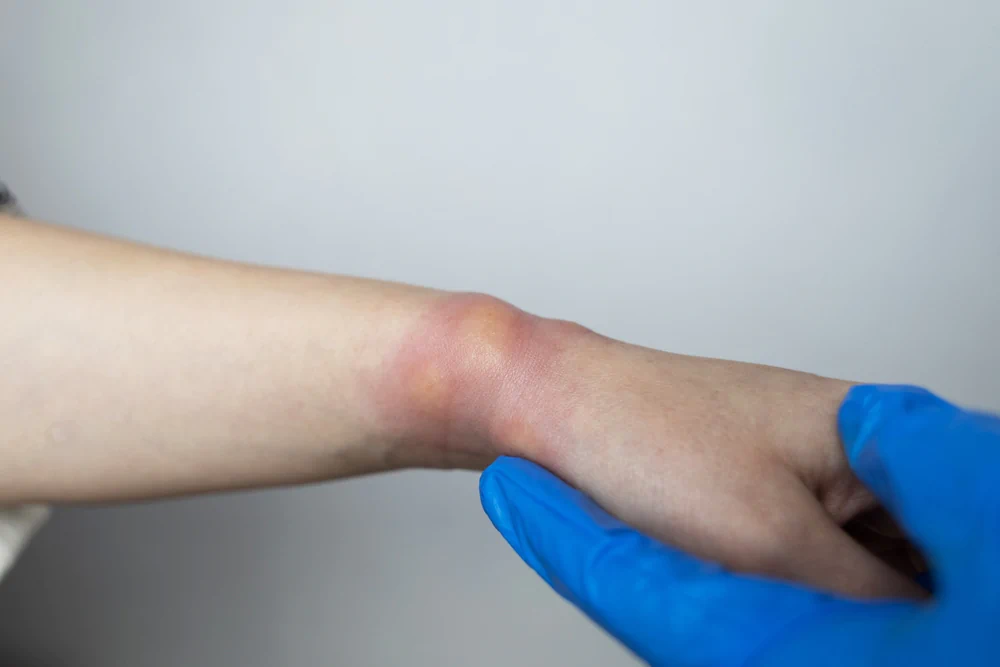
Most insect bites and stings are just annoying — a little itching, some redness, maybe a bump that goes away in a day or two. But sometimes, what starts as a simple bug bite can quickly turn into something much more serious.
At Complete Care, we’re here when insect bites and stings become more than just a minor nuisance. Our emergency-trained medical team can quickly assess your symptoms, provide fast relief from pain and swelling, treat allergic reactions, and watch for signs of infection or other complications. Whether you’re dealing with a bee sting that’s causing trouble breathing, a spider bite that’s getting worse, or any reaction that has you worried, we have the expertise and equipment to help you feel better and recover safely.
If you’re experiencing severe swelling, difficulty breathing, or rapidly worsening symptoms from a bite or sting, don’t wait — visit your nearest Complete Care freestanding ER location right away. We’re open 24/7 with no appointment needed and shorter wait times than traditional hospital emergency rooms.
For life-threatening situations, please call 911.
Table of Contents:
- Identifying bites and stings
- How to tell the difference
- How to treat severe reactions to insect bites
- When should you go to the ER for an insect bite or sting
Identifying bites and stings
Identifying what bit or stung you can help you understand your symptoms and know when to get medical care. Some insects are easy to spot, while others can be trickier to pinpoint. The tables below outline common bites and stings, their typical symptoms, and important things to watch for.

Bites
Insect and animal bites happen when a creature uses its mouth to break the skin, often to feed or defend itself. While many bites cause only minor irritation, some can transmit diseases or cause serious reactions. Here’s what to look for:
| Type | Symptoms | Considerations |
| Mosquito Bites | Itchy, red bumps | Generally harmless, but can transmit diseases like malaria, dengue fever, and Zika virus |
| Tick Bites | Small red bump, sometimes leading to a bulls-eye rash (indicative of Lyme disease) | Can transmit Lyme disease and other tick-borne illnesses; remove ticks carefully and quickly |
| Flea Bites | Clusters of small, red bumps, often around ankles and lower legs | Extremely itchy; can transmit diseases like typhus |
| Spider Bites | Varies by species; can range from mild irritation to severe pain and necrosis | Some species, like the black widow and brown recluse, require medical attention immediately |
| Bed Bug Bites | Small red bumps, often in a line or cluster | Not known to transmit diseases, but can cause significant itching and discomfort |
| Fire Ant Bites | Burning sensation followed by painful, itchy pustules (white bumps) | Attack in groups causing multiple stings; can trigger severe allergic reactions |
| Chigger Bites | Intense itching, typically around the waist, ankles, or warm skin folds | No risk of disease transmission, but can cause severe itching and discomfort |
| Snake Bites | Puncture wounds, pain, swelling, bruising, and possibly nausea or difficulty breathing | Venomous snake bites require immediate emergency care; even non-venomous bites can cause infection |
If you can’t identify what bit you, or if you notice symptoms getting worse instead of better, it’s always safer to get checked out. Pay special attention to increasing redness that spreads from the bite site, developing fever, or any signs of infection like pus or red streaks — these are all reasons to seek immediate care.
Learn more about how to spot the difference between snake and spider bites
Stings
Stings occur when an insect or creature injects venom through a stinger, usually as a defense mechanism. Unlike bites, stings are more likely to cause immediate pain and can trigger severe allergic reactions in some people. Here are the most common types:
| Type | Symptoms | Considerations |
| Bee Stings | Sharp pain, followed by swelling, redness, and warmth | Risk of severe allergic reaction (anaphylaxis); remove stinger quickly |
| Wasp Stings | Immediate pain, redness, and swelling | Can sting multiple times; higher risk of allergic reactions compared to bees |
| Hornet Stings | Intense pain, significant swelling, and redness | More painful than bee or wasp stings; can sting multiple times and may cause severe reactions |
| Yellow Jacket Stings | Sharp, burning pain with swelling and redness | Very aggressive when disturbed; can sting repeatedly and cause allergic reactions |
| Scorpion Stings | Immediate intense pain, numbness, or tingling at the site | Most are mild, but certain species can cause serious symptoms like difficulty breathing or muscle spasms |
Even if you’ve been stung before without problems, allergic reactions can develop over time. If you experience symptoms beyond the sting site such as…
- Hives spreading across your body
- Tightness in your chest or throat
- Dizziness
- Nausea
- Difficulty breathing
…call 911 or get to a Complete Care emergency room immediately. These are signs of a potentially life-threatening allergic reaction that needs emergency treatment right away.
How to tell the difference between a bug bite and a sting?
Not sure if you were bitten or stung? The main difference comes down to how it happened and what you feel. Here’s an easy way to tell them apart:
- Timing of pain: Stings cause immediate, sharp pain right when they happen. Bites often go unnoticed at first, and you might not realize you’ve been bitten until you see a bump or start feeling itchy later.
- Intensity: Stings tend to cause more intense, localized pain and swelling right away, while bites typically start with mild irritation that develops over time.
- Appearance: Stings often leave a visible puncture mark where the stinger entered, and you might even see the stinger still stuck in your skin (especially with bee stings). Bites usually look like small raised bumps, sometimes in clusters or patterns, and you’re less likely to see an obvious entry point.
That said, everyone’s body reacts differently, and sometimes it can be hard to tell (especially if you didn’t witness what happened). If you’re unsure or if your symptoms seem severe, regardless of whether it was a bite or sting, don’t hesitate to seek medical care. At Complete Care, our team can quickly assess your injury and provide the right treatment.
How to treat severe reactions to insect bites and stings
While most insect bites and stings can be managed at home with basic first aid, severe reactions require immediate medical attention. Knowing how to respond quickly can make all the difference in keeping you or a loved one safe.
Mild reactions might include extra swelling, increased redness, or more intense itching than usual. These can often be managed at home with:
- Ice or cold compresses applied for 10–15 minutes at a time to reduce swelling and numb pain
- Over-the-counter oral antihistamines like Benadryl or Zyrtec to reduce itching and allergic response
- Topical antihistamine creams or hydrocortisone cream to relieve itching directly at the site
- Calamine lotion or anti-itch creams for soothing relief
- Pain relievers like ibuprofen or acetaminophen to manage discomfort
- Cleaning the area with soap and water to prevent infection
- Elevating the affected area, if possible, to reduce swelling
Severe insect bite treatment
How do you treat insect bites and stings when the reaction is severe? You let an emergency-trained medical team do it! At Complete Care, our team is equipped to handle serious reactions quickly. Treatment options include:
- Epinephrine administration to quickly reverse anaphylaxis and open airways
- IV antihistamines and steroids to reduce swelling and inflammation throughout the body
- Vital signs monitoring to track your breathing, heart rate, and blood pressure
- Observation and stabilization to ensure you’re safe before going home
- Epinephrine auto-injector prescription (EpiPen) for patients with known severe allergies to have on hand for future emergencies
Don’t take chances with severe allergic reactions to bug bites or stings. Complete Care is here 24/7 to provide expert emergency insect bite care when you need it most.
When should you go to the ER for an insect bite or sting?
An allergic reaction to bites and stings doesn’t always happen immediately — it can develop minutes to hours after the initial bite or sting, so knowing when to see a doctor for bug bites can be the difference between a quick recovery and a serious medical emergency.
You should go to the ER immediately if you experience any of these warning signs:
- Difficulty breathing or shortness of breath
- Swelling of the face, lips, tongue, or throat
- Rapid or irregular heartbeat
- Dizziness, lightheadedness, or fainting
- Hives or rash spreading across your body
- Severe swelling that spreads far beyond the bite or sting site
- Chest tightness or difficulty swallowing
- Nausea, vomiting, or diarrhea following a bite or sting
- Confusion, anxiety, or a sense of impending doom
- Bite or sting to the mouth, throat, or near the eyes
- Multiple stings or bites at once
- Signs of infection (increasing redness, red streaks, pus, warmth, or fever developing 24–48 hours after the bite)
- Severe pain that doesn’t improve with home treatment
- Bites from dangerous insects (black widow or brown recluse spiders, venomous snakes, or scorpions)
Don’t wait to see if symptoms improve on their own — when it comes to serious allergic reactions to bites and stings, getting treatment quickly can save your life. If you’re questioning whether your symptoms warrant a visit, it’s always better to be safe and let our medical professionals evaluate you.
Serious reactions need serious care. Complete Care is here 24/7!
While insect bites and stings first aid at home is effective for minor reactions, some situations require professional medical attention you can count on.
Complete Care has convenient freestanding ER locations throughout Austin, Corpus Christi, Dallas/Fort Worth, East Texas, Lubbock, San Antonio, and Colorado Springs — making expert emergency care accessible when you need it most. Our experienced medical teams are available 24 hours a day, 7 days a week, with no appointment necessary.
Whether you’re dealing with a severe allergic reaction, signs of infection, or a bite from a dangerous insect, we have the expertise, equipment, and medications to treat you quickly and effectively.
Don’t wait and wonder if your symptoms will improve — walk into your nearest Complete Care location and get the peace of mind that comes with professional emergency care.
Locations

Get Complete Care
Open 24/7. No Appointment Needed.