Your body does an incredible amount of work during pregnancy, and most of the time it handles the job quietly. Every now and then, it sends you a signal that’s hard to ignore. Heavy bleeding, severe belly pain, dizziness, or sudden swelling can be your body’s way of asking for help.
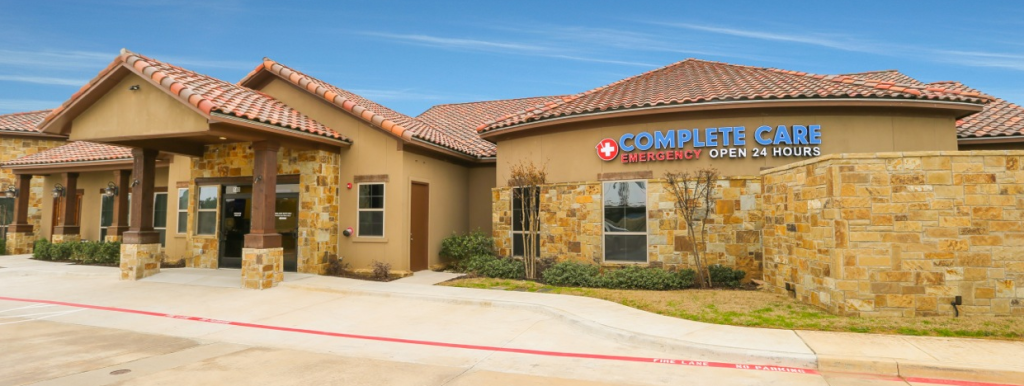
At Complete Care, we provide fast, compassionate care for pregnancy complications in the first 20 weeks. Our freestanding ERs are staffed by emergency-trained physicians with on-site lab testing and ultrasounds, so we can quickly find out what’s going on. We can treat illnesses like colds, the flu, and urinary tract infections, along with bleeding or spotting in the first trimester.
If you are 20 weeks ormoreand think you might be in labor or are having a pregnancy-related concern, go to the nearest hospital emergency room. Hospitals have obstetric teams and equipment to monitor your baby that freestanding ERs do not. For early pregnancy concerns and everyday illnesses, our ER locations throughout Texas and Colorado are open 24/7 and ready to give you answers, support, and the care you and your baby deserve.
For life-threatening situations, please call 911.
Table of Contents
- What are some common complications that can occur during pregnancy?
- How do I know if I should go to the ER while pregnant?
- Why come to Complete Care for emergency pregnancy conditions
- How Complete Care treats emergency pregnancy complications
- Tips from our nurses before visiting our ER
- FAQs
What are some common complications that can occur during pregnancy?
Most pregnancies go smoothly, but problems can come up at any stage. Some happen early, before you may even know you’re pregnant. Others show up later on. Knowing the difference can help you get to the right place for care.
Concerns Complete Care can treat in early pregnancy
Ectopic pregnancy
An ectopic pregnancy happens when a fertilized egg grows outside the uterus, most often in a fallopian tube. This type of pregnancy can’t continue safely, and it can cause dangerous internal bleeding if the tube bursts. Common signs include sharp pain on one side of your belly, vaginal bleeding, shoulder pain, and feeling dizzy or faint. Our on-site ultrasound helps us find out quickly what’s going on.
Miscarriage
A miscarriage is the loss of a pregnancy before the fetus can survive independently. Signs can include vaginal bleeding, cramping, and passing tissue. This can be a frightening and emotional experience. Our team can check on you with ultrasound and lab work, manage your pain and bleeding, and make sure you are physically okay.
Learn more:Should you go to the ER for bleeding during pregnancy?
Severe nausea and vomiting
Morning sickness is common, but some people have sudden nausea or vomiting so severe that they can’t keep food or liquids down. This condition is called hyperemesis gravidarum, and it can quickly lead to dehydration. We can give you IV fluids and medication to help you feel better and get you hydrated.
Infections and everyday illnesses
Pregnancy can make you more likely to get certain infections, like urinary tract infections and kidney infections. Watch for fever, pain when you pee, and pain in your back or side. We also treat colds, the flu, and other respiratory illnesses at any stage of pregnancy. Early treatment helps you feel better and avoid more serious problems.
Concerns that need a hospital after 20 weeks
Some complications happen later in pregnancy, once your baby is further along. These conditions need an obstetric team and special equipment to monitor your baby. If you are 20 weeks or more and notice any of the signs below, go to the nearest hospital emergency room.
Preeclampsia
Preeclampsia is a condition that causes high blood pressure during pregnancy. It usually shows up after 20 weeks, but it can also happen in the days or weeks after delivery. Warning signs you may need to seek emergency treatment for preeclampsia include a severe headache that won’t go away, blurry vision or seeing spots, sudden swelling in your face or hands, and pain in your upper belly.
Placenta problems
The placenta is the organ that brings oxygen and nutrients to your baby. Sometimes it can pull away from the wall of the uterus too early. This is called placental abruption, and it can cause belly pain, back pain, and bleeding. In other cases, the placenta sits low and covers the opening of the cervix. This is called placenta previa, and it often causes painless, bright red bleeding. Both conditions need to be checked by your OB-GYN or a hospital right away.
Preterm labor or leaking fluid
Preterm labor is labor that starts before 37 weeks. Signs include regular contractions, pressure in your pelvis, a dull ache in your lower back, and fluid leaking from your vagina. Leaking fluid can also mean your water has broken early.
Changes in your baby’s movement
Later in pregnancy, you will start to notice your baby’s usual pattern of kicks and movement. If your baby is moving much less than normal, or you can’t feel movement at all, go to a hospital so your baby can be monitored.
How do I know if I should go to the ER while pregnant?
It can be hard to tell where to go when something feels wrong, especially if this is your first pregnancy. How far along you are and the type of symptoms you have can help you decide.
Come to our freestanding ER right away if you have any of the following:
- Bleeding or spotting in the first trimester: Any bleeding beyond light spotting, or bleeding with cramps or pain.
- Sharp belly pain in early pregnancy: Especially pain on one side or pain with dizziness.
- Fever: A temperature of 100.4°F or higher. (Learn more about our emergency treatment forhigh fevers)
- Vomiting you can’t control: Being unable to keep down food or fluids for a day or more.
- Urinary tract symptoms: Pain when you pee, needing to go often, or pain in your back or side.
- Cold, flu, and breathing illnesses: Coughing, congestion, sore throat, or body aches.
- Dizziness or fainting in early pregnancy: Feeling lightheaded, weak, or passing out.
When you arrive, tell our team that you are pregnant and how far along you are. This helps us give you the right care as quickly as possible. With on-site lab testing and prompt ultrasound, we can find out what’s happening and start treatment right away.
If you are 20 weeks or more, go to the nearest hospital emergency room for:
- Vaginal bleeding or leaking fluid: Any amount of bleeding, or a gush or trickle of fluid.
- Contractions: Regular or painful contractions, especially before 37 weeks.
- Severe headache, vision changes, or sudden swelling: These can be signs of preeclampsia.
- High blood pressure: A high reading on a home monitor.
- Belly pain: Pain that is severe or doesn’t go away with rest.
- Changes in your baby’s movement: Your baby is moving much less than usual, or you can’t feel movement at all.
- A car accident, fall, or blow to your belly: Get checked even if you feel fine. Injuries to the placenta don’t always cause symptoms right away, and your baby may need to be monitored for several hours. (Learn more about Complete Care’streatment for auto accident injuries).
If you think you are in labor, call 911 or have a family member drive you to the nearest hospital.
Why come to Complete Care for emergency pregnancy complications
When something feels wrong during pregnancy, you want answers fast. You also want to feel safe and cared for while you get them. At Complete Care, we are a licensed emergency room, and we are ready for whatever comes through our doors.
Here’s what you can expect when you visit us:
Open 24/7
Early emergency pregnancy complications don’t keep office hours, and neither do we. You can walk in any time, day or night, including weekends and holidays. There’s no appointment needed, so you can come straight to us the moment you’re worried.
Emergency physicians on duty around the clock
A physician is always on site and ready to evaluate you and your baby. That means you are seen by a doctor who is trained to handle urgent and unexpected health problems.
Prompt on-site ultrasound
In the first trimester, ultrasound helps us look for problems like an ectopic pregnancy or the cause of bleeding. Getting a clear picture quickly helps us decide on the right treatment sooner.
On-site lab testing
Blood, urine, and rapid lab testing help us check for infection, bleeding, dehydration, and other concerns quickly. Because our lab is right here, you won’t have to wait days to learn your results.
Treatment that starts right away
From IV fluids and pain relief to medication for high blood pressure, we begin caring for you as soon as you arrive. Our goal is to help you feel better while we work to find the cause of your symptoms.
A smooth handoff when you need more care
If you need care beyond what we can supply, we stabilize you first and then arrange a transfer to an obstetric facility. Our team coordinates the details so you can focus on you and your baby.
Care with compassion
A pregnancy scare can be emotional. Our team takes the time to explain what’s happening and answer your questions. We treat every patient with the same kindness and respect we would want for our own families.
You don’t have to wonder if your symptoms are serious enough or wait for your doctor’s office to open. Our team is here to check on you and your baby and give you peace of mind.
How Complete Care treats early emergency pregnancy complications
Every pregnancy emergency is different, so your care is based on your symptoms, how far along you are, and what our tests show. Here’s what you can generally expect from the moment you walk through our doors.
1. We check on you right away
When you arrive, let our team know you are pregnant and how far along you are. A nurse will check your vital signs, including your blood pressure, heart rate, and temperature. We’ll also ask about your symptoms, when they started, and any health conditions you have.
2. We run tests to find the cause
Our on-site lab can run blood and urine tests quickly. These tests help us check for infection, blood loss, and dehydration. They also show your blood type, which matters if you are bleeding. In early pregnancy, we may also use ultrasound to look for the cause of bleeding or pain.
3. We start treatment
Once we know what’s going on, we begin treating you right away. Depending on your needs, that may include:
- IV fluids to treat dehydration from vomiting or illness.
- Medication for nausea so you can keep food and fluids down again.
- Pain relief that is safe to use during pregnancy.
- Antibiotics to treat infections like a urinary tract or kidney infection.
4. We plan your next steps
Many patients are able to go home once they are stable. Before you leave, we’ll explain what we found, give you clear instructions, and let you know when to follow up with your OB/GYN or midwife. If you need hospital care, we’ll help arrange your transfer.
Throughout your visit, our team will keep you informed and answer your questions. Our goal is to care for you and your baby and help you leave with peace of mind.
Tips from our nurses before visiting our ER
A trip to the ER during pregnancy can feel stressful, especially if it happens suddenly. A little preparation can make your visit smoother and help our team care for you faster. Here are a few tips from our nurses.
- Share your pregnancy status right away: Tell our team you are pregnant and how many weeks along you are. If you gave birth in the last six weeks, let us know that too. This helps us choose the right tests and see you quickly.
- Bring your health information: Having a few details on hand helps our team care for you. This should include:
- Photo ID and insurance card
- How many weeks pregnant you are and the first day of your last period
- A list of your medications
- Your delivery date, if you recently had your baby
- Any health problems you’ve had during this pregnancy
- Keep track of your symptoms: Write down your symptoms and when they started. This gives our team a clearer picture of what’s going on.
- Bring someone with you: A loved one can offer support and help you remember details. If you feel faint, are bleeding heavily, or are in severe pain, don’t drive yourself. Have someone take you, or call 911 if you need an ambulance.
- Know where to go: If you are 20 weeks or more with a pregnancy-related concern, go to the nearest hospital emergency room. For illnesses and early pregnancy concerns, we’re here for you.
Pregnancy is full of big emotions, and a sudden health scare can make it feel even more overwhelming. Please know that you are not alone. Our team understands how much you care about your growing family, and we are here to support you.
If you have questions about your symptoms or what to expect during your visit, call the Complete Care location closest to you. We’re happy to help any time, day or night.
FAQs
Can you go to the ER for pregnancy issues?
Yes. You can go to the ER for any pregnancy concern that feels urgent, such as bleeding, pain, high blood pressure, or changes in your baby’s movement. Complete Care is a licensed, 24/7 emergency room with on-site lab testing and ultrasound, so we can treat illnesses like colds, the flu, and urinary tract infections at any stage of pregnancy, along with bleeding or spotting in the first trimester.
Can a freestanding ER treat pregnancy emergencies?
Yes. A licensed freestanding ER like Complete Care has emergency physicians on duty around the clock, along with on-site lab testing and ultrasound. We can evaluate, treat, and stabilize a wide range of early pregnancy emergency conditions. For concerns after 20 weeks, a hospital ER is the best choice. Hospitals have obstetric teams and the equipment needed to monitor your baby.
What should I do if I think I’m in labor?
If you think you are in labor, call 911 or have a family member drive you to the nearest hospital. Hospitals have labor and delivery units with the staff and equipment to care for you and your baby.
Is bleeding during pregnancy an emergency?
Bleeding during pregnancy should always be checked right away, especially if it’s heavy or comes with pain or cramping. It can be a sign of a miscarriage, an ectopic pregnancy, or a problem with the placenta. In the first trimester, Complete Care can use ultrasound and lab tests to find the cause. If you are 20 weeks or more, go to the nearest hospital emergency room.
What blood pressure is too high during pregnancy?
A blood pressure reading of 140/90 or higher is considered high during pregnancy. If you are 20 weeks or more and have a high reading, a severe headache, vision changes, or sudden swelling, go to the nearest hospital emergency room to be checked for preeclampsia.
Fast emergency care during early pregnancy, any time of day.
Pregnancy should be a time of excitement and preparation, not worry. But when you get sick or something feels wrong early on, you deserve answers right away. Complete Care is a licensed emergency room, open 24/7, with no appointment needed.
Our emergency physicians are on duty around the clock to evaluate and treat early pregnancy complications. With on-site lab testing and prompt ultrasound, we can check on you and your baby quickly and start treatment as soon as you arrive.
If you are pregnant and something feels wrong, trust your instincts and come see us. We have locations in Austin, Corpus Christi, Dallas/Fort Worth, East Texas, Lubbock, San Antonio, and Colorado Springs, all open 24/7. Visit the Complete Care ER closest to you today, and let our team take care of you and your baby.
If you are 20 weeks or more with a pregnancy-related concern, go to the nearest hospital emergency room, and call 911 if you think you are in labor.
The information provided is for educational and informational purposes to help you better understand health conditions and emergency care, but it is not intended as medical advice, diagnosis, treatment recommendations, or a substitute for professional medical evaluation. If you are experiencing a medical emergency, call 911 or visit your nearest emergency room immediately. The content on this site does not establish a doctor-patient relationship and should not be relied upon as the basis for any medical decision. Complete Care’s 24/7 freestanding emergency rooms are staffed with emergency physicians ready to provide immediate, in-person evaluation and treatment when you need it most.
Locations

Get Complete Care
Open 24/7. No Appointment Needed.