Is the Saharan Dust Still in Texas?
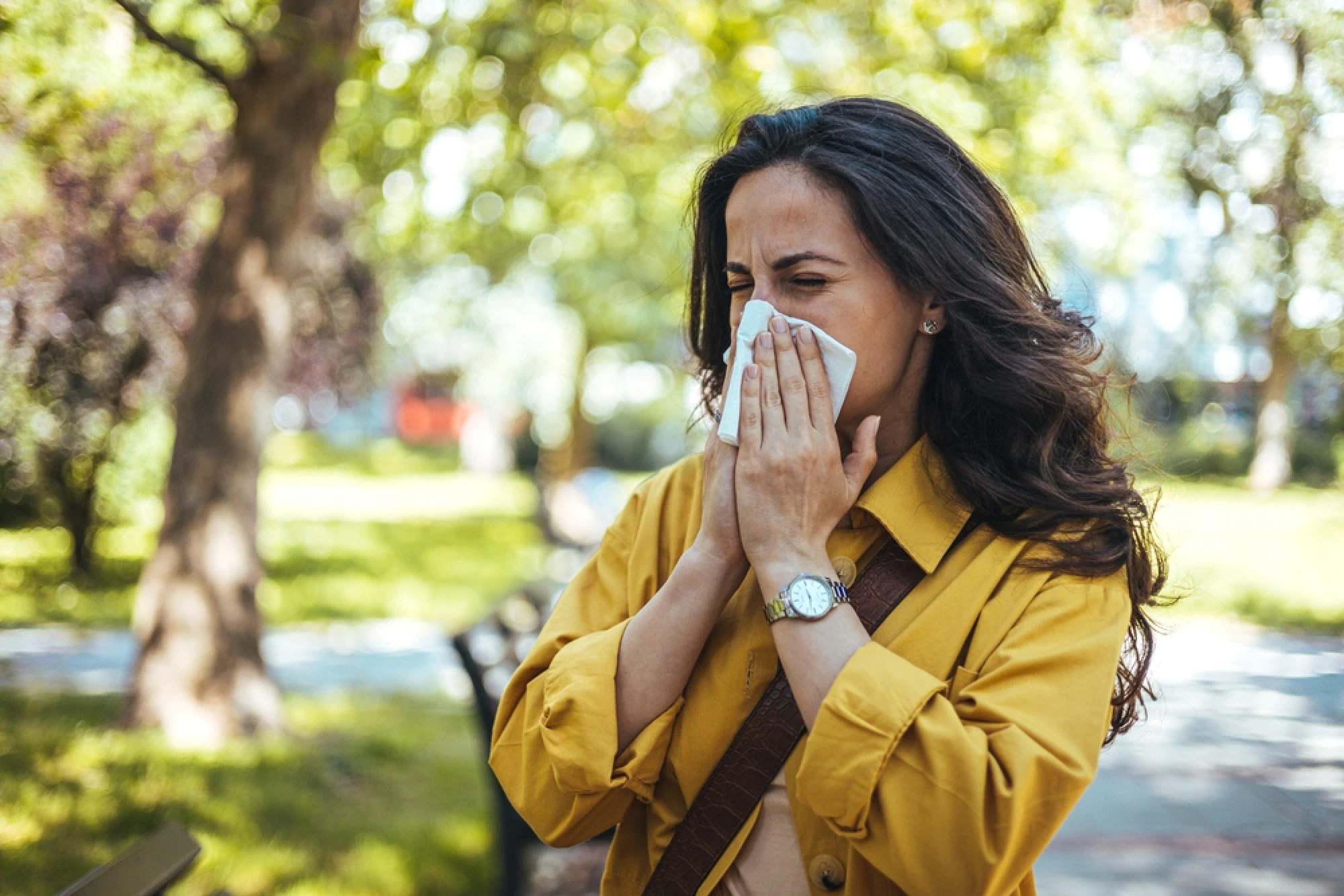
If your sunsets have looked more orange than usual and your car has a fine layer of grit on it again, you’re not imagining things. Texans have grown used to this seasonal visitor from across the Atlantic, and it tends to leave people asking the same question every time the skies turn hazy: is the Saharan dust still in Texas? The short answer is that recent dust has largely cleared, but a fresh plume is already on its way, so the haze isn’t gone for good just yet.
In this article, we’ll break down where the current Saharan dust plume stands, when Texas can expect it to arrive and clear, and which parts of the state are likely to see the biggest impact on air quality. We’ll also cover what this seasonal dust means for your health, including who’s most at risk and what symptoms to watch for, plus practical tips for staying safe outdoors until the skies clear up.
What is Saharan dust?
Saharan dust is a mass of dry, dusty air that lifts off the Saharan Desert in North Africa and travels thousands of miles across the Atlantic Ocean on trade winds. This dusty air mass, known as the Saharan Air Layer, typically reaches the United States, including Texas, between late spring and early fall, with activity peaking from late June through mid-August. Once it arrives, it can turn the sky hazy and give sunrises and sunsets a deeper orange or red glow.
We know it can be unsettling to look outside and see a milky haze hanging over your neighborhood, especially if you or a loved one already deals with breathing issues. It helps to remember that Saharan dust is a natural, recurring weather pattern, not a sign of something dangerous happening locally, and it’s been reaching Texas skies for as long as records have tracked it.
That said, we also understand that “natural” doesn’t always mean “harmless” for every household. The dust is made up of fine mineral particles that can affect air quality, and for people with asthma, COPD, allergies, or other respiratory sensitivities, that’s a real and valid concern, not an overreaction.
Is there Saharan dust in Texas right now?
Saharan dust conditions change from week to week, and sometimes from day to day, so whether dust is present in Texas skies right now depends on which pulse of the Saharan Air Layer is currently crossing the Atlantic. During peak season, which runs from late June through mid-August, new plumes typically arrive every three to five days, so periods of clear skies and periods of haze tend to alternate rather than one lasting the whole summer.
Rather than judging conditions by how the sky looks in the morning, the most reliable way to check is a same-day local air quality forecast, since dust concentrations can shift throughout the day as new plumes move in and out of a region.
How long will the Saharan dust last in Texas?
A single Saharan dust plume typically lingers over Texas for two to five days before winds push it further north or east and skies begin to clear. During peak season, from late June through mid-August, new plumes can follow closely behind one another, so the overall hazy stretch can feel longer even though any one pulse passes through fairly quickly.
It helps to think of Saharan dust as a rolling pattern rather than a single event: one plume clears, skies may stay clear for a few days, and then another pulse moves in behind it.
Is the Saharan dust making people sick?
Yes, Saharan dust can make people sick, especially those with existing respiratory or cardiovascular conditions. The dust is made up of fine mineral particles small enough to reach deep into the lungs, where they can trigger a range of Saharan dust symptoms beyond typical seasonal allergies. Most healthy adults tolerate it fine, but sensitive groups can feel real effects.
If your breathing suddenly feels harder during a dusty stretch, that reaction is valid, not something to brush off. Saharan dust can flare up or contribute to the following conditions:
- Asthma: Wheezing, shortness of breath, and chest tightness, even when normally well controlled
- COPD: Worsened coughing, mucus, and breathing difficulty
- Allergic rhinitis: Sneezing, congestion, and itchy or watery eyes
- Bronchitis: Airway inflammation that may need respiratory infection treatment if it doesn’t clear on its own
- Sinus infections: Pressure and congestion in people prone to sinus issues
- Cardiovascular strain: Chest pain or added stress on the heart in older adults or those with existing heart conditions
Mild symptoms usually respond to at-home care and limiting time outdoors. But chest pain, severe shortness of breath, or symptoms that keep getting worse mean it’s time to get checked out rather than wait it out.
How to deal with Saharan dust?
The best way to deal with Saharan dust is to limit outdoor exposure during peak plumes, keep indoor air as clean as possible, and pay attention to how your body responds. Most Saharan dust side effects are mild and manageable with a few simple precautions, especially if you know ahead of time that a plume is moving through your area.
The goal isn’t to avoid dust entirely; it’s to reduce your exposure where you can and recognize when your body needs more support. A few practical steps can help:
- Check air quality forecasts: Look up your local Air Quality Index before heading outside, especially during peak season from late June through mid-August
- Limit strenuous outdoor activity: Save workouts, yard work, or long walks for days when dust levels are lower
- Keep windows closed: Run air conditioning instead of letting outside air in during heavy dust days
- Use an air purifier: A HEPA filter can help reduce indoor dust particles for people with asthma, COPD, or allergies
- Stay hydrated: Drinking water helps keep airways and sinuses from drying out and becoming more irritated
- Wear a mask outdoors: An N95 or similar mask can reduce how much dust you breathe in if you must be outside during a heavy plume
Most people can manage Saharan dust with these steps alone, but it’s worth knowing when to see a doctor for a cough or other symptoms that don’t follow the usual pattern. If a cough lingers more than a week or two, comes with fever, or is accompanied by chest pain or shortness of breath, that’s a sign to get evaluated rather than wait it out.
When to go to the ER for Saharan dust symptoms
We know it can be hard to tell the difference between a bad allergy day and a true emergency, especially when symptoms come on fast. When in doubt, it’s always safer to get evaluated.
Seek emergency care if you or a loved one experiences:
- Severe or worsening shortness of breath: Especially if breathing feels labored even at rest
- An asthma attack that doesn’t improve with a rescue inhaler*: Or one that requires repeated doses in a short period
- Chest pain or tightness: Particularly if it’s severe, sudden, or comes with dizziness or sweating
- Bluish tint to the lips or face: A sign the body isn’t getting enough oxygen
- Confusion or difficulty staying alert: This can signal low oxygen levels
- Rapid heartbeat or heart palpitations: Especially in someone with an existing heart condition
- High fever with respiratory symptoms: This may point to a developing infection rather than dust irritation alone
If you’re experiencing any of these symptoms, don’t wait to see if they pass on their own. A freestanding ER can evaluate and offer emergency treatment for shortness of breath quickly, without the wait times often associated with a hospital ER.
*Read more: When to visit the ER for severe asthma symptoms
FAQs
Is the Saharan dust bad for your health?
For most healthy people, Saharan dust is more of a nuisance than a health threat, causing hazy skies and mild eye or throat irritation. For people with asthma, COPD, allergies, or heart conditions, however, the dust can genuinely worsen symptoms and should be taken seriously rather than dismissed as just seasonal haze.
What are the symptoms of Saharan dust sickness?
Common symptoms include coughing, sneezing, congestion, itchy or watery eyes, and a scratchy throat. In people with existing respiratory or heart conditions, symptoms can escalate to wheezing, chest tightness, or shortness of breath, which are signs the body needs closer attention.
Can Saharan dust make your throat hurt?
Yes, Saharan dust can leave your throat feeling dry, scratchy, or sore, especially after spending time outdoors during a heavy plume. Staying hydrated and limiting outdoor exposure usually helps, but a sore throat paired with fever or trouble swallowing is worth having checked out.
Does Saharan dust affect children differently?
Children can be more sensitive to Saharan dust than adults because their airways are smaller and still developing, which means irritation can show up faster. If your child has asthma or allergies, it’s worth limiting outdoor playtime during heavy dust days and watching for coughing, wheezing, or unusual fatigue.
Which parts of Texas are affected most by Saharan dust?
Saharan dust typically has the strongest impact on South Texas, the Gulf Coast, and Central Texas, since these regions are closest to the dust’s path across the Caribbean and Gulf. That said, plumes can spread across the eastern two-thirds of the state, so hazy skies and reduced air quality aren’t limited to coastal areas alone.
Respiratory emergencies can’t wait, and neither should you.
Saharan dust is a seasonal reality across Texas, and whether you’re checking “is the Saharan dust still in Texas” before heading outside or noticing symptoms that feel different this time, trusting your instincts matters. Most people ride out a hazy stretch with a few precautions, but breathing trouble, chest pain, or an asthma attack that won’t respond to your inhaler are never things to push through on your own.
Complete Care operates freestanding ER locations across Austin, Corpus Christi, Dallas/Fort Worth, East Texas, Lubbock, San Antonio, and Colorado Springs, so help is close by when you need it most. Our team is equipped to evaluate and treat respiratory emergencies quickly, without the long waits often associated with a hospital ER. If Saharan dust has you or a loved one struggling to breathe, don’t wait it out.
Walk in or call your nearest Complete Care location today.
More Helpful Articles by Complete Care:
- Hand, Foot, and Mouth Disease vs Roseola: How to Tell the Difference
- How to Tell if You Have a Broken Thumb
- Abdomen Pain Chart: What Does the Location of Your Pain Mean?
- When to Go to the ER for Blurry Vision After Hitting Your Head
- Can Bronchitis Turn into Pneumonia?

Reviewed By:
Jeffrey Peebles, M.D.
Complete Care's health articles are based on evidence-based medical information and reviewed by Dr. Jeffrey Peebles, Medical Director of Complete Care Southlake, to ensure accuracy and alignment with current medical standards.

Get Complete Care
Open 24/7. No Appointment Needed.