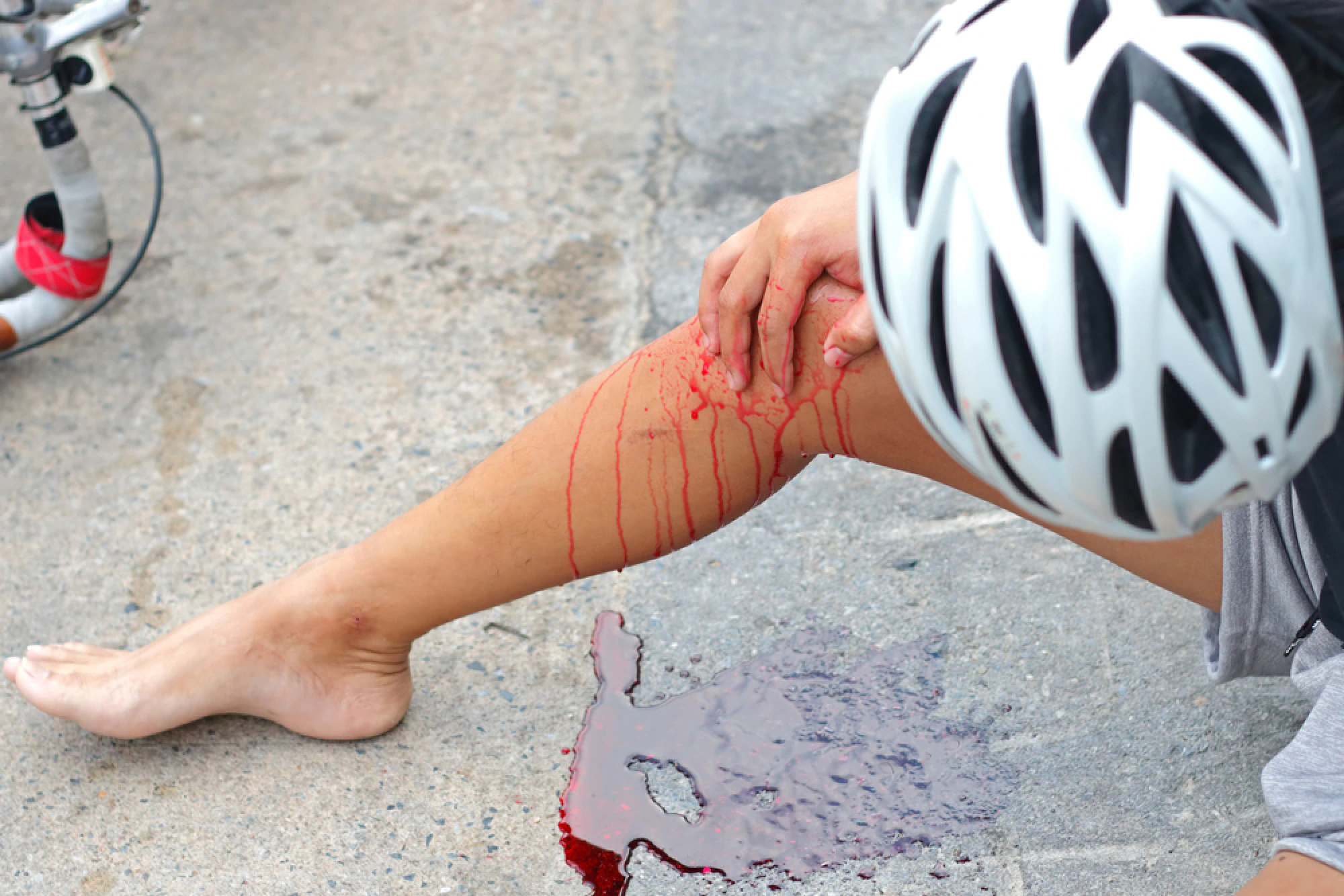
Most of us know how to handle a scraped knee or a small kitchen cut. Far fewer people know when bleeding has crossed the line into an emergency. Sometimes the danger is easy to see, like a deep wound that will not stop. Other times it is hidden inside the body or shows up in ways that are easy to brush off.
Some warning signs are easy to spot, like a wound that keeps bleeding after 10 minutes of firm pressure. Others are less obvious, such as vomiting blood, black stool, heavy bleeding during pregnancy, or feeling suddenly dizzy and weak.
At Complete Care, our emergency teams treat severe bleeding from injuries, internal problems, pregnancy complications, and more. Whatever the cause, our on-site imaging and lab testing help us quickly find the source and see how much blood you may have lost.
When bleeding will not stop, waiting it out is never worth the risk. Complete Care has freestanding ER locations throughout Texas and Colorado, so expert emergency care is often closer than you think. If someone faints or the bleeding cannot be controlled, call 911. Otherwise, visit one of our locations today and let our team help you get back on your feet.
For life-threatening situations, please call 911.
Table of Contents
- What is severe bleeding?
- What causes severe bleeding?
- Severe bleeding symptoms
- When should I go to the ER for heavy bleeding?
- Why choose Complete Care
- How does Complete Care treat severe bleeding
- FAQs
What is severe bleeding?
Bleeding becomes severe when it is fast, heavy, or will not stop on its own. It turns into an emergency when your body loses blood faster than it can form a clot or make up the difference. Without quick treatment, this kind of blood loss can lead to shock, organ damage, or even death.
Heavy bleeding generally falls into two main types:
- External bleeding: Blood leaves the body through a wound you can see, such as a deep cut, puncture, or injury from an accident. If bright red blood spurts with each heartbeat, it usually means an artery is involved, and this can become dangerous very quickly.
- Internal bleeding: Blood collects inside the body where you cannot see it. It can come from an injury, an ulcer, a pregnancy complication, or another health problem. Clues may include vomiting blood, black or bloody stool, belly pain, or swelling.
Because internal bleeding is hidden, it can be easy to miss until symptoms become serious. That is why unexplained dizziness, weakness, or fainting should never be ignored.
What causes severe bleeding?
Heavy bleeding can come from an injury, a problem inside the body, a pregnancy complication, or a condition that keeps blood from clotting normally. Some causes are easy to see, while others stay hidden until symptoms appear.
Injuries and wounds
Injuries are the most familiar source of heavy bleeding. Deep cuts, puncture wounds, animal bites, and crush injuries can all damage blood vessels. Car accidents, falls, and accidents with tools or machinery are common examples.
Cuts to the scalp and face often bleed heavily because many blood vessels sit close to the skin. Wounds that spurt bright red blood specifically require emergency wound care, since they usually involve an artery.
Bleeding inside the body
Internal bleeding can happen anywhere in the body, and it is often harder to spot. Common internal bleeding causes include:
- Blunt force injuries: A car crash, hard fall, or sports collision can damage organs like the spleen, liver, or kidneys without breaking the skin (learn more about our emergency treatment for auto accident injuries and sports injuries).
- Broken bones: Large bones like the thigh bone or pelvis can bleed a surprising amount into the surrounding tissue.
- Head injuries: A blow to the head can cause bleeding in or around the brain.
Among severe internal bleeding causes, a ruptured aneurysm is one of the most urgent. An aneurysm is a weak, bulging spot in the wall of a blood vessel. If it bursts, it can cause major blood loss within minutes.
Bleeding from the digestive tract
Your digestive tract runs from your mouth all the way to your rectum, and bleeding can start anywhere along the way. Bleeding in the upper part, such as the stomach, may cause you to vomit blood or have black, tar-like stool. Bleeding lower down usually shows up as bright red or dark red blood.
Common severe rectal bleeding causes include:
- Diverticular bleeding: Small pouches in the wall of the colon can break open a blood vessel. This is often painless but can be very heavy.
- Inflammatory bowel disease: Conditions like Crohn’s disease and ulcerative colitis can irritate the bowel and cause bleeding.
- Growths in the colon: Polyps and colon cancer can bleed, sometimes heavily.
- Hemorrhoids: These usually cause only small amounts of blood, but they can occasionally bleed more than expected.
Higher up, stomach ulcers and swollen veins in the esophagus caused by liver disease can also lead to dangerous blood loss.
Learn more about our emergency treatment for severe GI pain
Heavy periods and pregnancy
Heavy periods are common, but some can become an emergency. Warning signs include soaking through a pad or tampon every hour for two or more hours, passing large clots, or feeling dizzy and weak. Severe period bleeding causes include fibroids, polyps in the uterus, hormone imbalances, and bleeding disorders. In some cases, what seems like a heavy period may actually be an early miscarriage.
During pregnancy, heavy bleeding can signal a miscarriage, a problem with the placenta, or an ectopic pregnancy. An ectopic pregnancy happens when a pregnancy grows outside the uterus, and it can burst and cause internal bleeding. Heavy bleeding after giving birth is also a medical emergency.
Bleeding from the gums and mouth
A little bleeding when you brush or floss is common and usually points to gum disease. Heavy or nonstop bleeding is different. Severe gum bleeding can include a tooth removal site that will not stop bleeding, an injury to the mouth, blood thinners, and bleeding disorders. Conditions that lower your platelet count, such as leukemia, can also cause heavy gum bleeding. If bleeding gums come with easy bruising or frequent nosebleeds, it may be a sign of a clotting problem.
Medications and blood disorders
Some people bleed more easily than others. Blood thinners, aspirin, and regular use of pain relievers like ibuprofen can make it harder for blood to clot. Bleeding disorders such as hemophilia and von Willebrand disease have the same effect, and so can liver disease. For people in these groups, even a small injury can lead to heavy bleeding.
Severe bleeding symptoms
Heavy bleeding is not always as obvious as a wound that will not stop. Symptoms depend on where the bleeding is coming from and how much blood has been lost. Some signs are easy to see, while others show up as changes in how you look and feel.
Signs of heavy bleeding from a wound
Bleeding from a wound becomes an emergency when your body cannot control it on its own. Watch for:
- Spurting or pulsing blood
- Bleeding that will not slow down (blood keeps flowing after 10 minutes of firm, steady pressure)
- Soaked bandages
- Deep or gaping wounds
Signs of internal bleeding
Internal bleeding can be tricky because you cannot see the blood. Instead, your body gives other clues. These may include:
- Belly pain or swelling after a car accident, workplace injury, fall, or blow to the stomach.
- Large or spreading bruises
- Vomiting blood
- Changes in your stool
- Coughing up blood or blood in your urine
- Headache or confusion after a head injury
- Heavy vaginal bleeding (soaking a pad every hour for two or more hours, or any heavy bleeding during pregnancy)
Signs your body has lost too much blood
No matter where the bleeding starts, losing too much blood affects your whole body. As blood loss increases, your heart and organs struggle to get enough oxygen. Warning signs include:
- Dizziness or lightheadedness
- Racing heartbeat
- Fast, shallow breathing
- Pale, cool, or clammy skin
- Extreme thirst
- Confusion or anxiety
- Fainting
These symptoms can mean a person is going into shock. If you notice them, call 911 or get emergency care right away.
When should I go to the ER for heavy bleeding?
You should go to the ER if bleeding is heavy, will not stop with pressure, or comes with signs that your body is losing too much blood. It is also important to get checked if you notice signs of bleeding inside the body, even if you feel okay at first. When in doubt, it is always safer to be seen.
Head to the ER right away if you have:
- Bleeding that will not stop
- Spurting or pulsing blood
- A deep or gaping wound
- Vomiting blood
- Black, tar-like stool or large amounts of rectal bleeding
- Heavy vaginal bleeding
- Belly pain, swelling, or large bruises after an injury
- Dizziness, weakness, or a racing heartbeat
- Bleeding while taking blood thinners
For bleeding emergencies, Complete Care can provide fast, hospital-level treatment without the long wait of a traditional hospital ER. While you wait, keep firm pressure on any visible wound and have the person lie down if they feel faint.
Learn more aboutwhen to go to the ER for a fever
Why choose Complete Care for your severe bleeding treatment
When bleeding is heavy or hard to explain, you need answers and treatment quickly. Complete Care is a freestanding ER, which means we are staffed and equipped to handle serious emergencies, not just minor injuries. Our team focuses on finding the source of the bleeding, getting it under control, and keeping you stable.
We offer:
Hospital-level imaging on site
Not all bleeding can be seen from the outside. Our on-site imaging allows us to look inside the body for injuries to organs, broken bones, and other hidden sources of blood loss. Having these tools in the same building means you do not have to wait for a referral or travel somewhere else to get answers.
Lab results when every minute counts
Knowing how much blood you have lost helps guide your treatment. With rapid tests, our team can check your blood count and see how well your blood is clotting. These results help us decide on the right care quickly, especially for patients who take blood thinners or have a bleeding disorder.
Expert treatment for wounds and heavy bleeding
Our emergency team is trained to handle bleeding from many different causes. We can stop heavy bleeding, clean and close deep cuts, and give IV fluids to help your body recover from blood loss. Whether the bleeding comes from an injury or a problem inside the body, our goal is to get you stable as quickly as possible.
Care that continues after the emergency
Some patients need to be watched closely even after their bleeding is under control. Our 23-hour observation and care gives our team time to monitor your condition, repeat tests if needed, and make sure you stay stable. This extra layer of care can give you and your family peace of mind before you head home.
Guidance on your next steps
If your condition calls for surgery or specialized care, our team can help coordinate a transfer to a hospital. We will also make sure you leave with clear instructions on caring for your wound, what warning signs to watch for, and when to follow up with your doctor.
Compassionate care in plain language
Heavy bleeding can be frightening, and medical terms can make it even more confusing. Our team takes the time to explain what is happening in simple, clear language. You will know what to expect at every step of your care.
How does Complete Care treat severe bleeding?
Complete Care treats heavy bleeding by first controlling the blood loss, then finding where it is coming from and treating the cause. Our team works quickly to keep you stable at every step.
Here is what you can expect when you come in:
Step 1: A quick assessment
As soon as you arrive, our team checks how much you are bleeding and how your body is handling it. We look at your heart rate, blood pressure, and breathing to see if you are showing signs of too much blood loss. This helps us decide what needs to happen first.
Step 2: Getting the bleeding under control
If the bleeding is coming from a wound, our first goal is to slow or stop it. This may involve firm pressure, special dressings, or other methods to close off the bleeding blood vessel. Stopping the blood loss quickly helps protect your heart and organs.
Step 3: Finding the source
When the cause is not obvious, we look deeper. Blood work shows how much blood you have lost and how well your blood is clotting. Imaging helps us check for bleeding inside the body, such as around the organs or near a broken bone.
Step 4: Treating the cause
Your treatment depends on what is causing the bleeding. Deep cuts may be cleaned and closed with stitches, staples, or skin glue. IV fluids can help support your blood pressure and replace lost fluid. If you take blood thinners, our team will look at whether your medication is making the bleeding worse.
Step 5: Watching your recovery
Once the bleeding is under control, we keep a close eye on you to make sure it does not start again. Some patients may stay with us for extended monitoring. If you need surgery or a specialist, our team can help arrange a transfer to a hospital.
Step 6: Going home with a plan
Before you leave, we will explain how to care for your wound or condition at home. You will also learn which warning signs mean you should come back right away. Our goal is for you to feel confident about your recovery.
FAQs
How can I tell if my bleeding is life-threatening?
Bleeding may be life-threatening if blood is spurting, pooling on the ground, or soaking through bandages quickly. Signs of too much blood loss, such as dizziness, confusion, pale or clammy skin, or a racing heartbeat, are also serious warning signs. If you notice any of these, call 911 or get emergency care right away.
How long can internal bleeding last?
Internal bleeding can last anywhere from a few minutes to several days, depending on the cause. Some small bleeds stop on their own, while others continue slowly or get worse over time. Because you cannot see how much blood you are losing, internal bleeding should always be checked by a medical professional.
What stops bleeding fast?
The most important step in severe bleeding first aid is pressing firmly and directly on the wound with a clean cloth or bandage. Keep steady pressure without lifting to check, and add more layers on top if blood soaks through. If the bleeding does not slow after 10 minutes, get emergency care right away.
Can I drive myself to the ER if I am bleeding heavily?
It is not safe to drive yourself if you are bleeding heavily, since blood loss can make you dizzy or cause you to pass out behind the wheel. Ask someone to drive you so you can keep pressure on the wound. If you feel faint or the bleeding will not slow, call 911 instead.
Can heavy bleeding happen without an injury?
Yes, heavy bleeding can happen without any injury at all. Stomach ulcers, heavy periods, pregnancy complications, and blood clotting problems can all cause serious blood loss. If you have unexplained bleeding along with dizziness or weakness, get checked right away.
Get severe bleeding treated 24/7 at a Complete Care freestanding ER
Heavy bleeding is not something you should try to wait out at home. Whether it comes from a deep cut, an injury inside the body, or a health problem you did not see coming, fast care can protect your health and help you recover sooner. Complete Care is open around the clock, so you can get help the moment you need it.
Our emergency teams are ready to treat severe bleeding with on-site imaging, lab testing, and hands-on care from start to finish. We will work quickly to find the source, stop the blood loss, and make sure you are stable before you head home. You will also get clear answers in plain language, so you always know what is happening.
With locations in Austin, Corpus Christi, Dallas/Fort Worth, East Texas, Lubbock, San Antonio, and Colorado Springs, expert emergency care is never far away. If you or someone you love is bleeding heavily, visit your nearest Complete Care today.
If someone faints or the bleeding cannot be controlled, call 911 right away.
The information provided is for educational and informational purposes to help you better understand health conditions and emergency care, but it is not intended as medical advice, diagnosis, treatment recommendations, or a substitute for professional medical evaluation. If you are experiencing a medical emergency, call 911 or visit your nearest emergency room immediately. The content on this site does not establish a doctor-patient relationship and should not be relied upon as the basis for any medical decision. Complete Care’s 24/7 freestanding emergency rooms are staffed with emergency physicians ready to provide immediate, in-person evaluation and treatment when you need it most.
Locations

Get Complete Care
Open 24/7. No Appointment Needed.